Parasitic Bolete
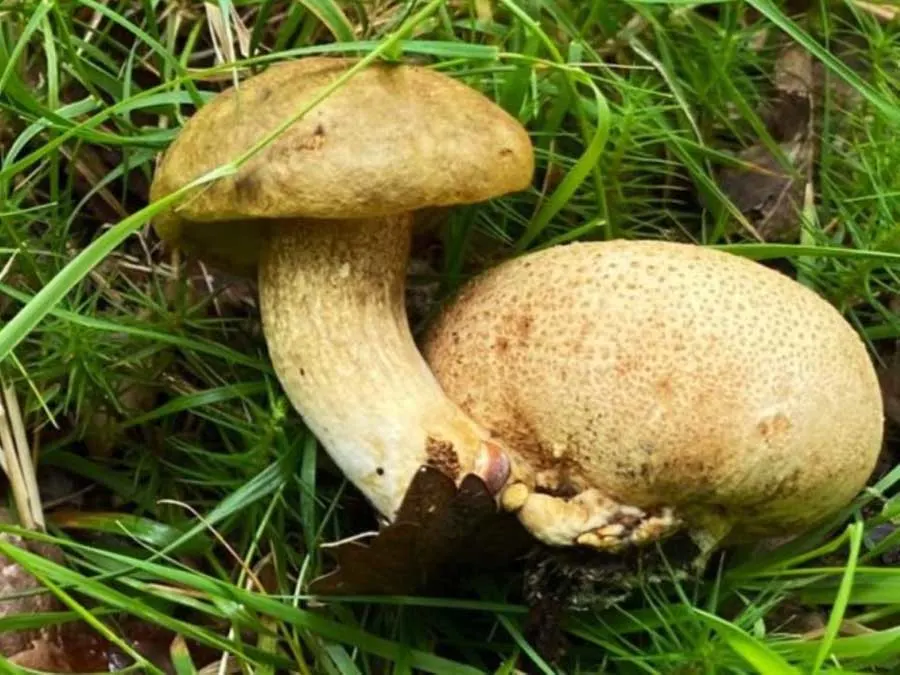


Pseudoboletus parasiticus, the parasitic bolete, is a rare, small mushroom that grows specifically on the Common Earthball (Scleroderma citrinum). Found in North America and Europe, it features a 2–7 cm yellow-brown cap and yellowish pores. While considered edible by some, it is not recommended due to potential confusion with its toxic host.
Scientific Name – Boletus / Pseudoboletus parasiticus
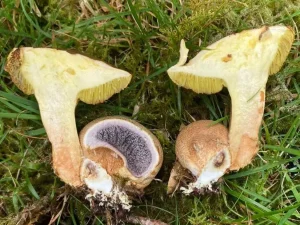


Common Names:
Parasitic Bolete
Please note that each and every mushroom you come across may vary in appearance to these photos.

Cap
3-6 cm. Brown to yellow to tawny and slightly downy. Convex to opening out flat. The margin is inrolled.
Pores
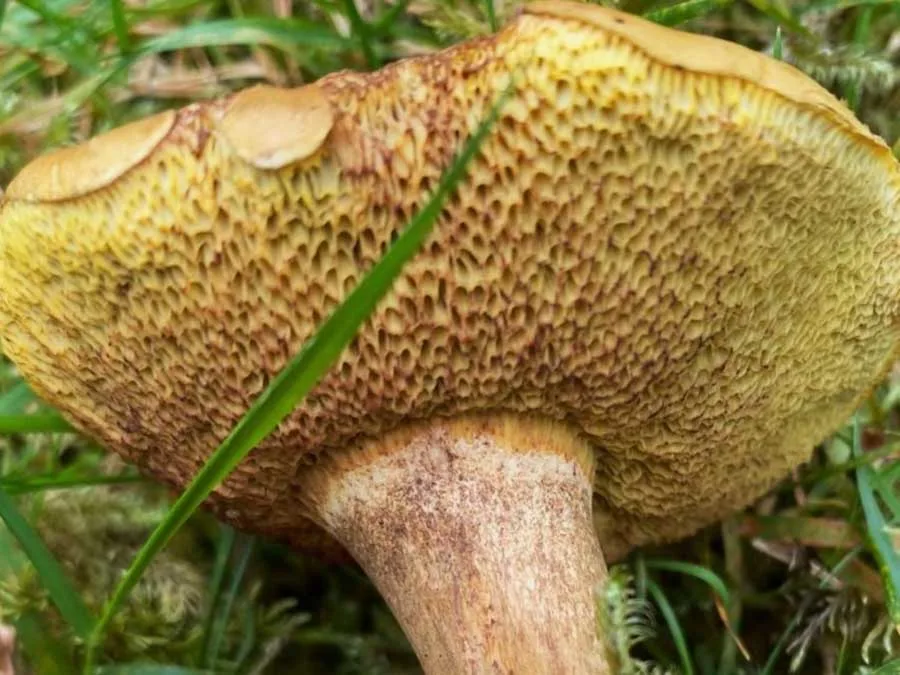
Does not have gills but sponge like angular pores which start yellow and turn to an olive brown. The pores are decurrent. May colour slightly blue when bruised.
Stem
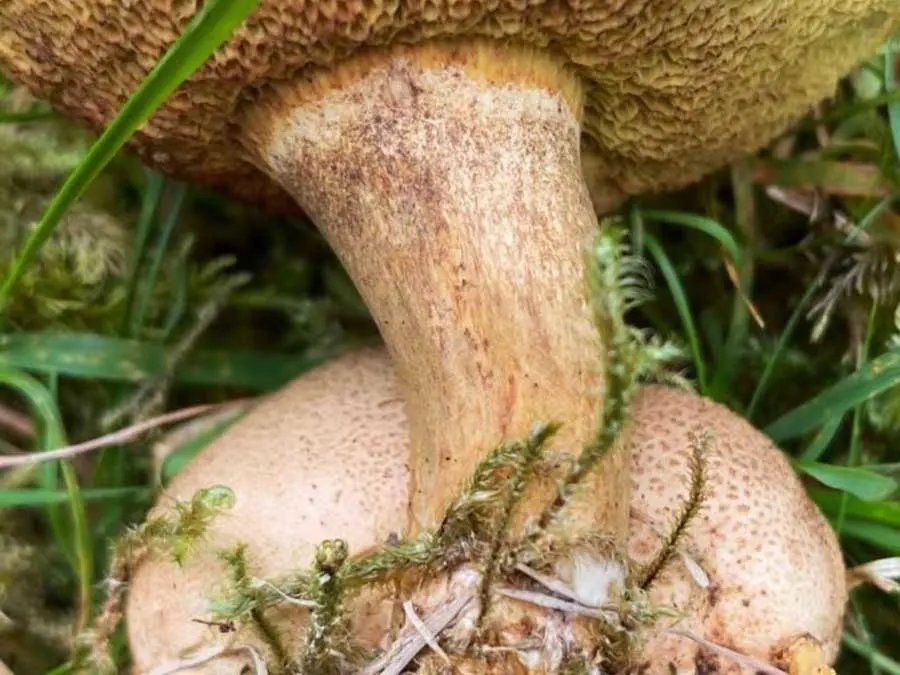
3-6 cm long, 0.7 1.5 cm diameter. Dirty yellow to pale brown, tapering towards the bottom. Slightly fibrillose, slightly flocculose on close inspection.
Flesh
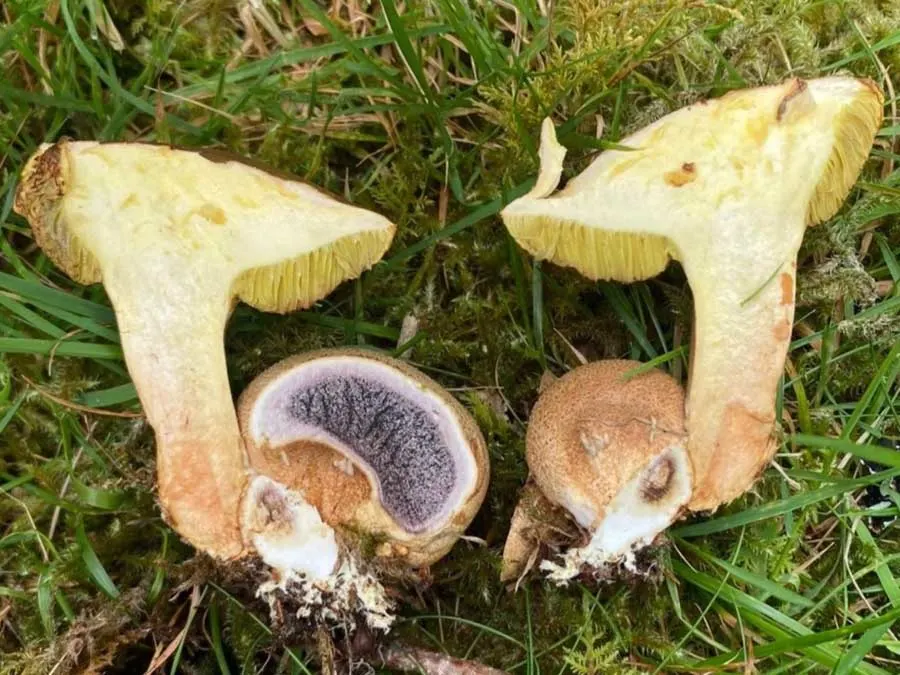
Bright yellow but darkening towards the base. Does not change colour when exposed to air.
Habitat
Exclusively growing from the Common Earthball, Sceloderma citrinum. Appearing from where the Earthball touches the ground. Earthballs can be found in most types of woodland and favours mossy or peaty soil on heathland
Possible Confusion
When found growing from an Earthball this can be no other mushroom.
Other Facts
The name parasiticus was given when it was thought the fungus grew on live Earthballs but it is now thought it grows only on decaying mushrooms. The specific epithet parasiticus was chosen when mycologists though that this bolete was parasitising ‘live’ fruitbodies of the Common Earthball, Scleroderma citrinum; now many believe that these boletes simply consume decaying earthballs… but is a fruitbody that still contains potentially viable spores truly ‘dead’?