The Prince



Cap
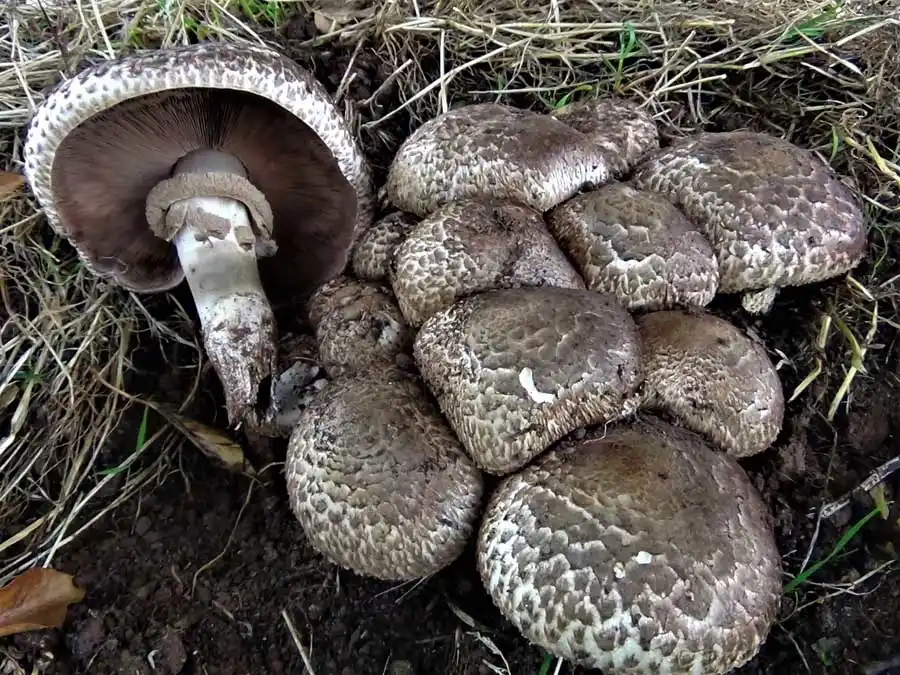
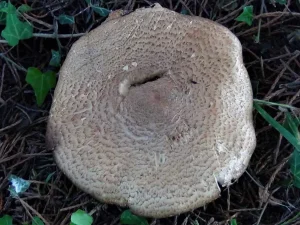
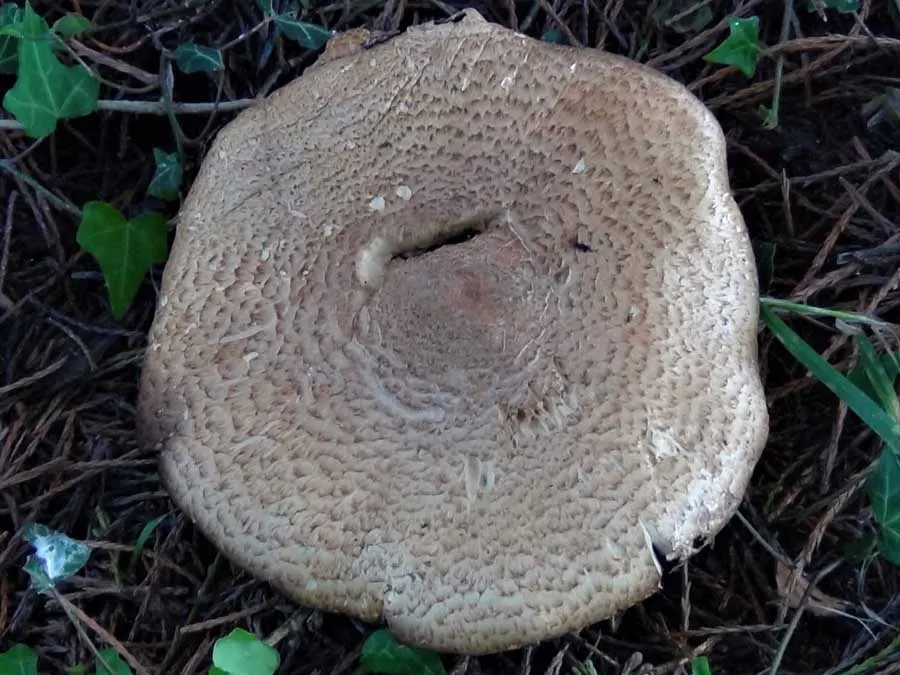
Up to 25 cm. Spherical when young becoming convex. Covered in concentric chestnut brown scales on a white to pale yellow background. Can stain yellow on the edges where touched.

Gills
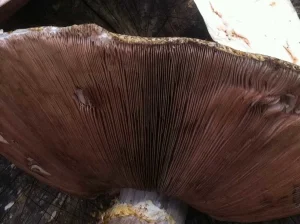
Crowded and free of the stem. Gills starting off white to pink, maturing to dark brown.

Stem
10-16 cm long, 2-3.5 cm diameter. White to pale cream and smooth above the skirt and covered in small brown scales below.

Skirt
A large superior, pendulous skirt.

Flesh
White sometimes with a yellow tinge where cut or bruised.
Habitat
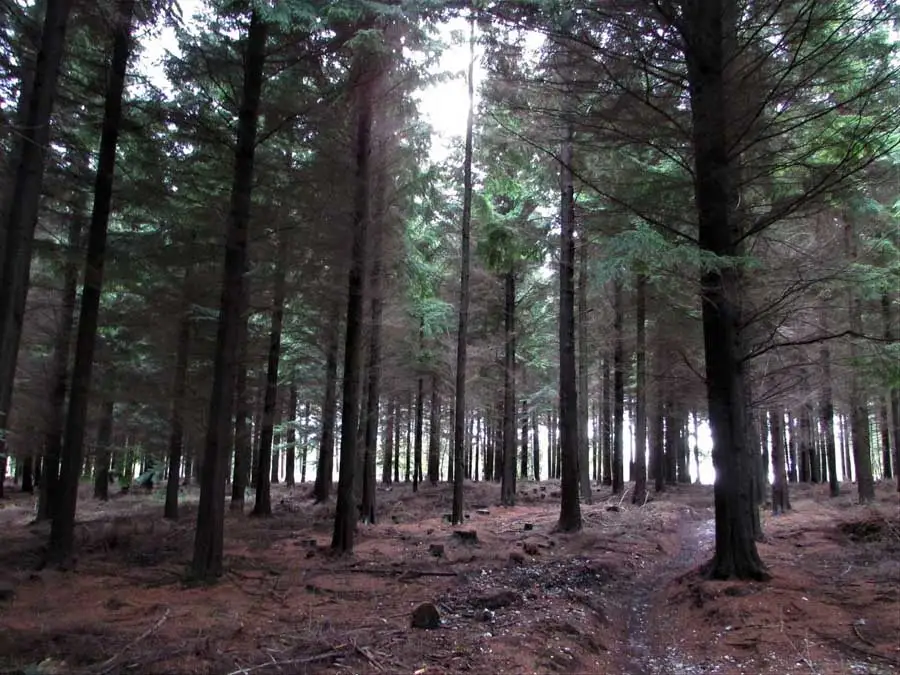
Mixed woodland, particularly under conifers, lawns and roadsides.
Possible Confusion
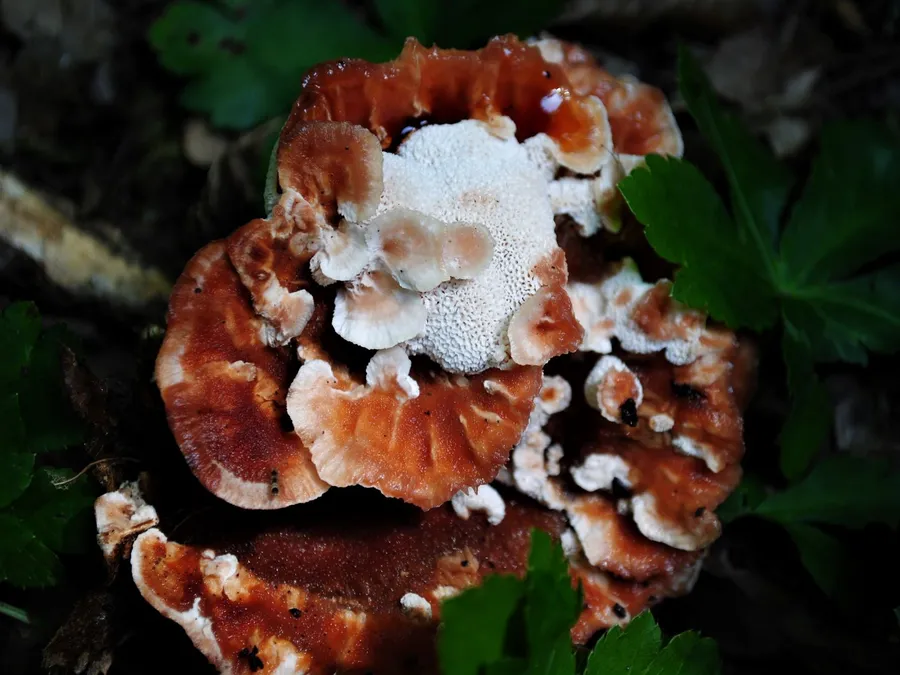
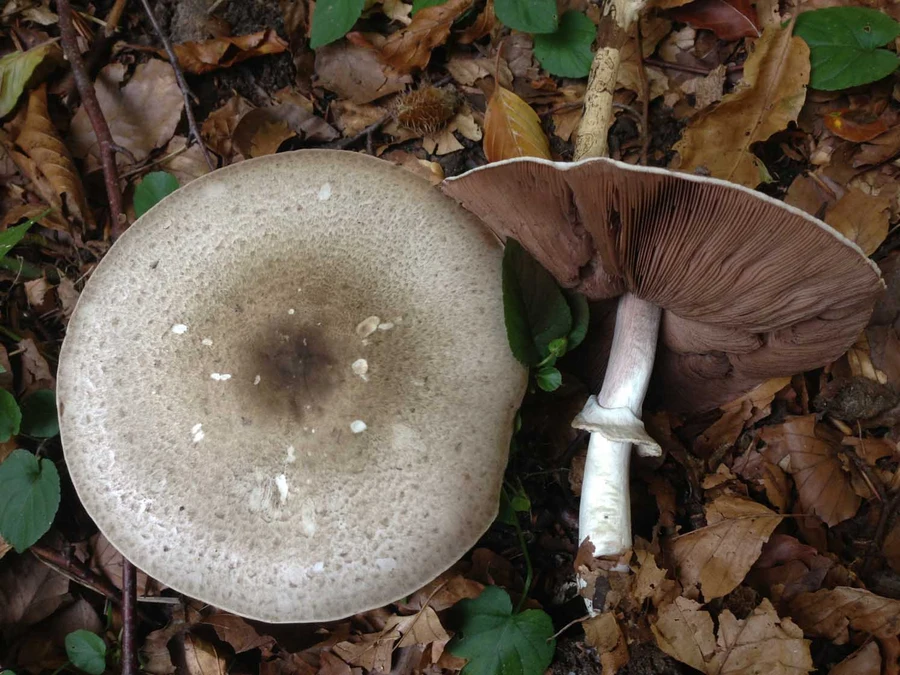
The Inky Mushroom (Agaricus moelleri), pictured, looks similar but the chemical, unpleasant smell of the flesh of this mushroom should keep you safe.
The Prince also looks a little like some of the Lepiotas but these always have white/off white gills not the pale pink to brown gills of the Agaric family.
The Freckled Dapperling (Echinoderma asperum) looks very similar but has ‘warts’ on the cap instead of scales and has white gills unlike the Prince’s off white to pink to black gills.
Other Facts
This stunning species, sometimes called “the Prince,” is fairly common in California and the Pacific Northwest. It grows under conifers, but is not usually a woodland species; it seems to prefer conifers growing near roads, paths, gardens, parks, and so on. Agaricus augustus is fairly easily identified by its large size, its scaly brown cap, and its strong odor, which is sharp and reminiscent of almonds. A few similar species can be eliminated by adding the Prince’s white-then-brown (never pink) gills to the list of distinguishing features, along with its scaly stem.