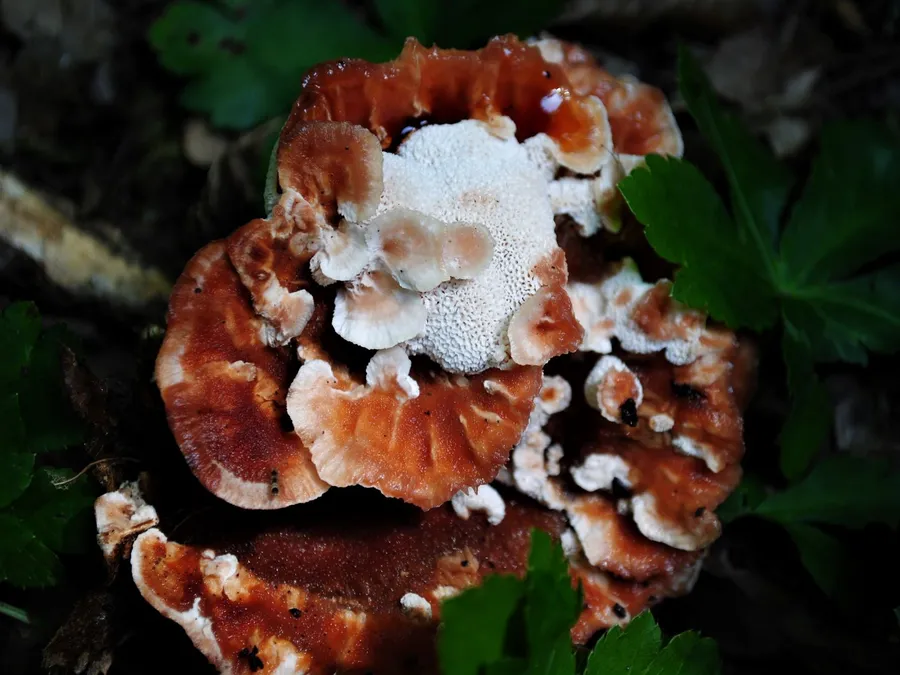
White Saddle


The White Saddle (Helvella crispa) is a striking fungus known for its unique shape and color. It typically grows in deciduous forests and is often found near woodland edges. The mushroom’s cap is deeply lobed and wavy, with a pale to cream color, while the stem is fluted and white. Despite its beauty, it is important to note that Helvella crispa is toxic and should not be consumed. The presence of gyromitrin, a dangerous neurotoxin, makes it a risky choice for those seeking to eat mushrooms.
Scientific Name – Helvella crispa


Common Names:
White Saddle (EN), White Elfin Saddle, Common Helvella, Coesyn Rhychog Gwyn (CY), Piestrzyca Kędzierzawa (PL), Fodros Papsapkagomba (HU)
Please note that each and every mushroom you come across may vary in appearance to these photos.

Cap
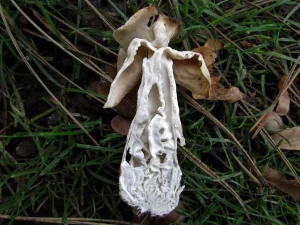
3-6 cm. Highly convoluted sheet extending out from the convoluted stem. Roughly saddle shaped although not very smooth for the poor elves! Tends to have a pointy side which is often although not always higher.

Pores
Tiny and invisible to the naked eye on the outside upper surface of the cap.

Stem
6-12 cm long, 1-3 cm diameter. The stem looks like a tube that has pulled and pushed into wrinkles and hollows creating a series of cavities and buttresses, every mushroom quite unique.

Flesh
The whole fruitbody is a highly folded very thin sheet.

Habitat
In leaf litter usually with Beech or Oak.
Possible Confusion
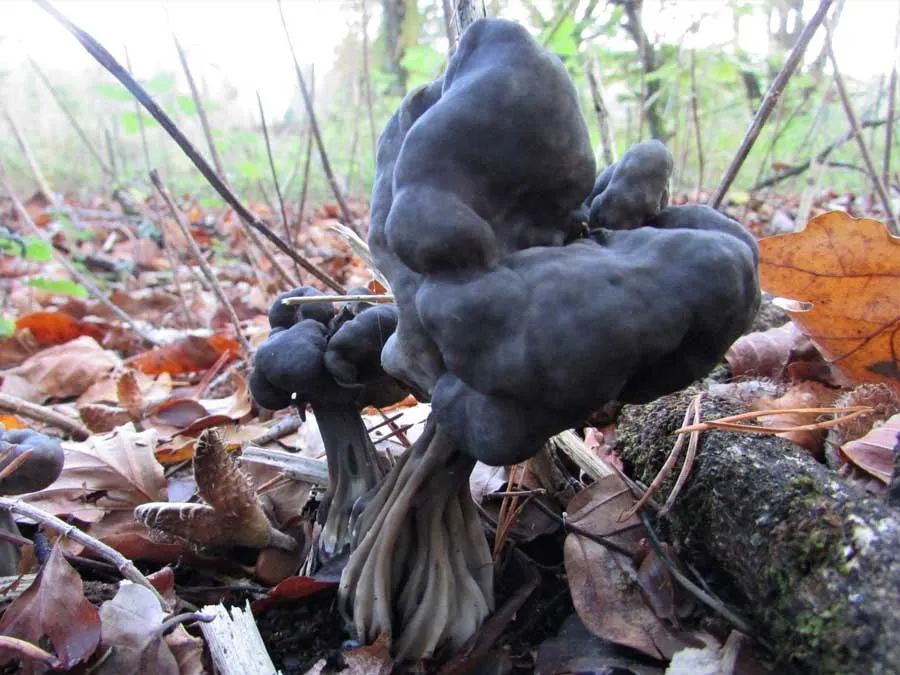
Looks similar to the Elfin Saddle (Helvella lacunosa), pictured, but this has a black fruiting body unlike the flesh of the White Saddle.
Helvella elastica is similar and light coloured but has a more or less smooth stem.
Other Facts
Some guidebooks list this species as edible as recently as 2006. However, it has been reported to cause gastrointestinal symptoms when eaten raw. Many sources list this species as containing or being suspected of containing monomethylhydrazine; extensive chemical analysis has not been performed on this species. Some guides recommend that if consumed, it is recommended to cook thoroughly and only in small amounts, and to consume with caution. There is no evidence of this species being widely consumed, or that toxins are removed during cooking.