Oak Bolete


Butyriboletus appendiculatus is an edible pored mushroom that grows under oaks and other broad leaved trees such as beech. It is commonly known as the butter bolete. It often grows in large colonies beneath the oak trees, and is frequently found cohabiting with old oaks in ancient woodland.
Scientific Name – Butyriboletus appendiculatus


Common Names:
Oak Bolete (EN), Butter Bolete (US), Cap Tyllog Derw (CY), Masłoborowik Żółtobrązowy (PL), Sárgahúsú Tinóru (HU)
Please note that each and every mushroom you come across may vary in appearance to these photos.
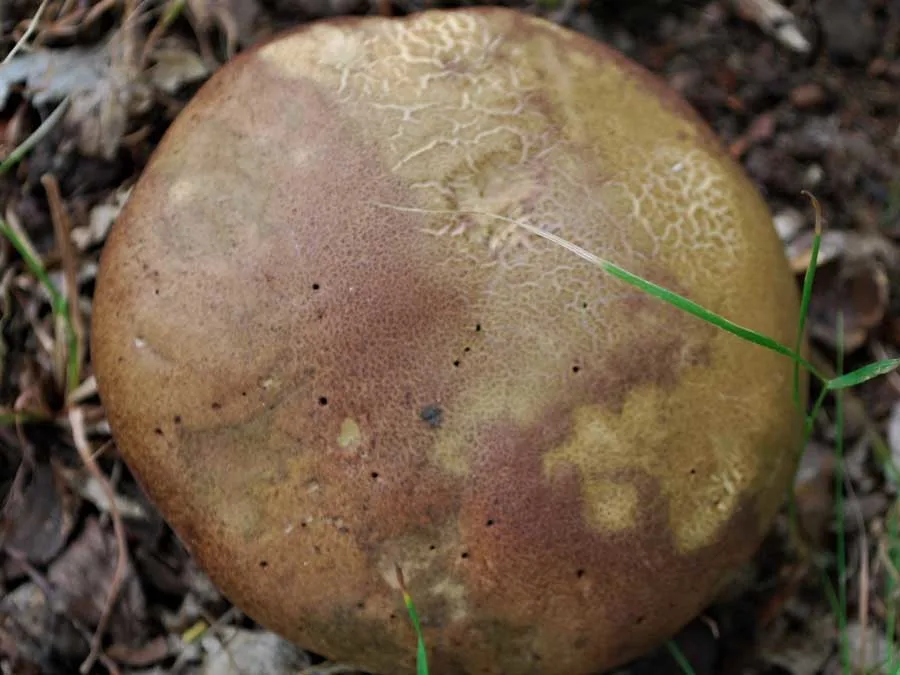
Cap
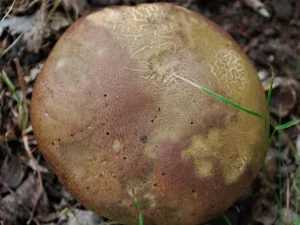
7-10 cm. Rusty to red brown or sometimes lighter, often irregular, sometimes has a ‘cracked’ skin especially near the centre.
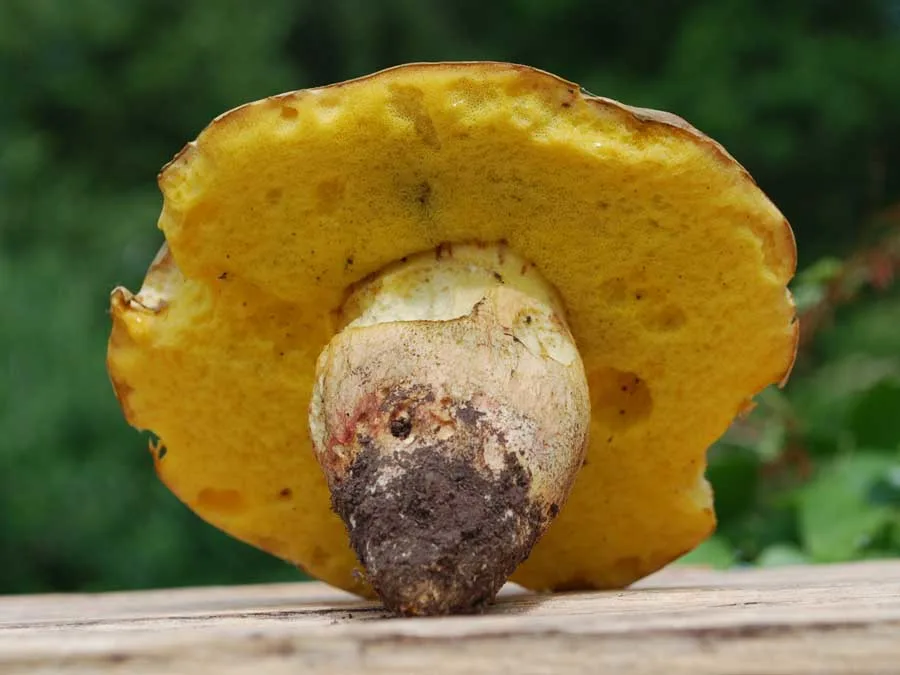
Pores
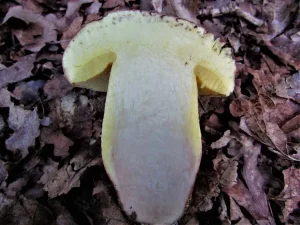
Lemon yellow, tight sponge like pores that darken a bit with age. These will bruise to a blue colour.
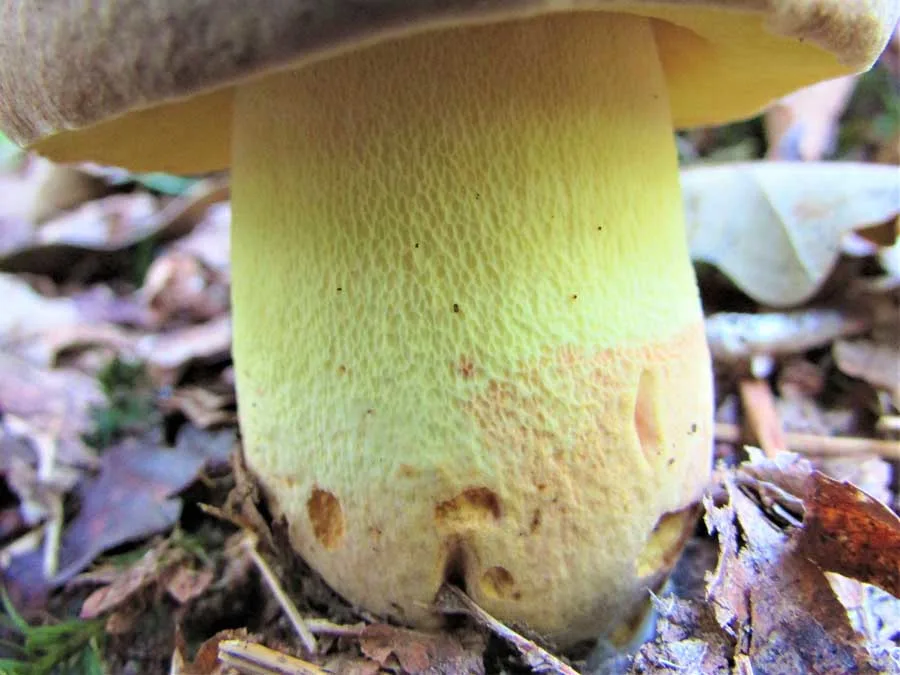
Stem
7-10 cm long, 3-4 cm diameter. Straight or clavate, club shaped, lemon yellow at the top with yellow reticulation, (a mesh or net like covering) then usually a change to a pale orange to red towards the base.

Flesh
White to pale yellow. Turning pale blue when cut, the base bruising rusty brown.

Habitat
Mainly around Oak but will grow with other deciduous trees.
Possible Confusion
Other Boletes. Although the Oak Bolete is quite distinctive care should be taken when trying to identify this mushroom as it breaks the simple edible rules for Boletes (if a bolete has red on it anywhere, do not eat it and if it stains blue when cut, again, don’t eat it).
Edibility
The bolete is edible and considered choice by several sources, although certain individuals may have an allergic reaction to it. The earthy flavor of the mushrooms make them suitable for soups, sauces and stews. Cooked portions will often turn blue, then gray, then return to their original yellow color.