Jelly Ears
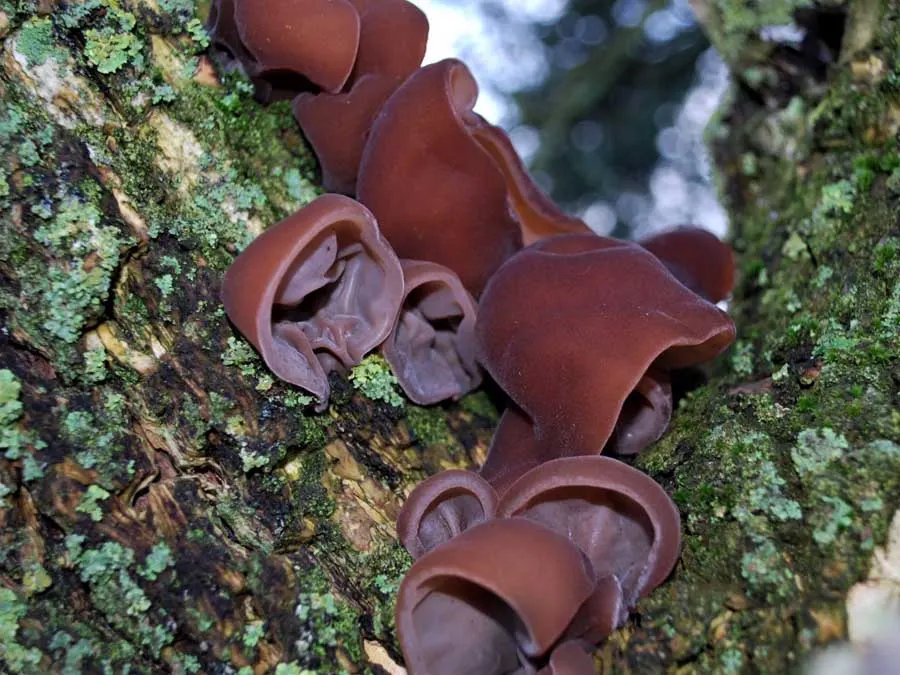


Very common and can be found year round. Usually most abundant in January and February when there is not much else about.
Scientific Name – Auricularia auricula-judae
Common Names:
Jelly Ears (EN), Clustiau’r Ysgaw (CY), Uszak Bzowy (PL), Júdásfülgomba (HU)
Please note that each and every mushroom you come across may vary in appearance to these photos.

Fruiting Body
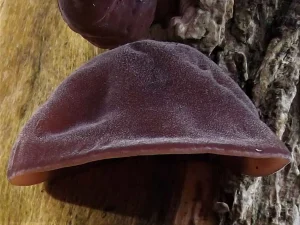
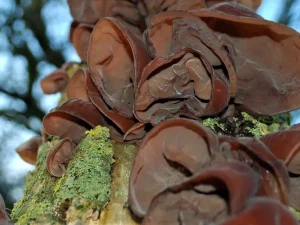
3-7cm. The fruiting body is ear-shaped. It is smooth or undulating, covered in very fine down and is tan, red/brown in colour.
Pores
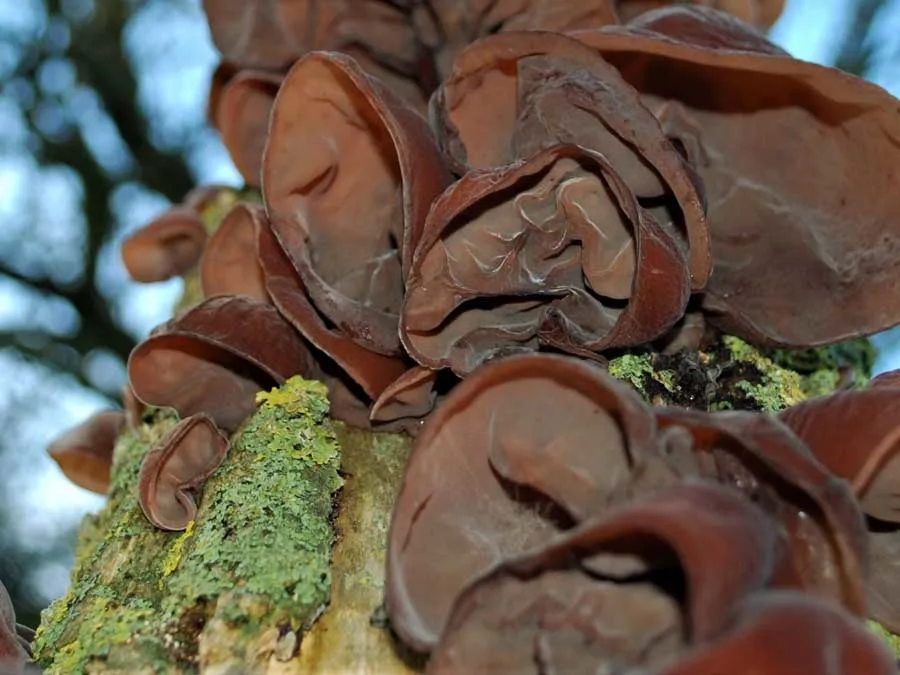
The underside is smoother and lighter than the top surface.

Flesh
Translucent, thin and jelly like.
Habitat
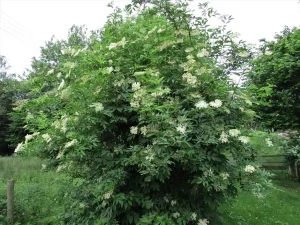
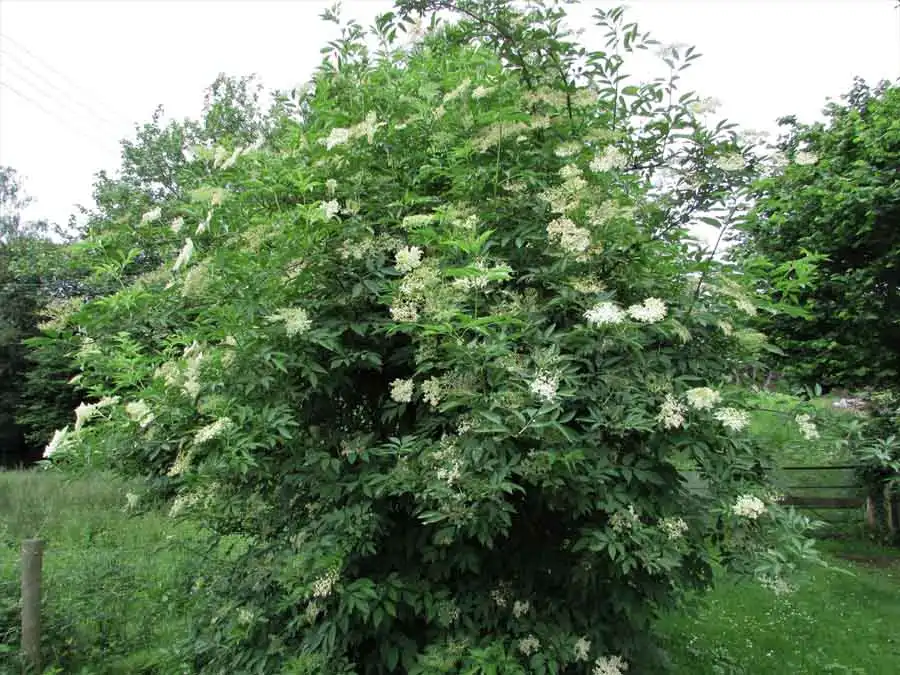
Mainly growing on dead or living elder in large numbers but can be found occasionally on other wood.

Possible Confusion
As long as you only collect these from elder trees they can only be Jelly Ears.
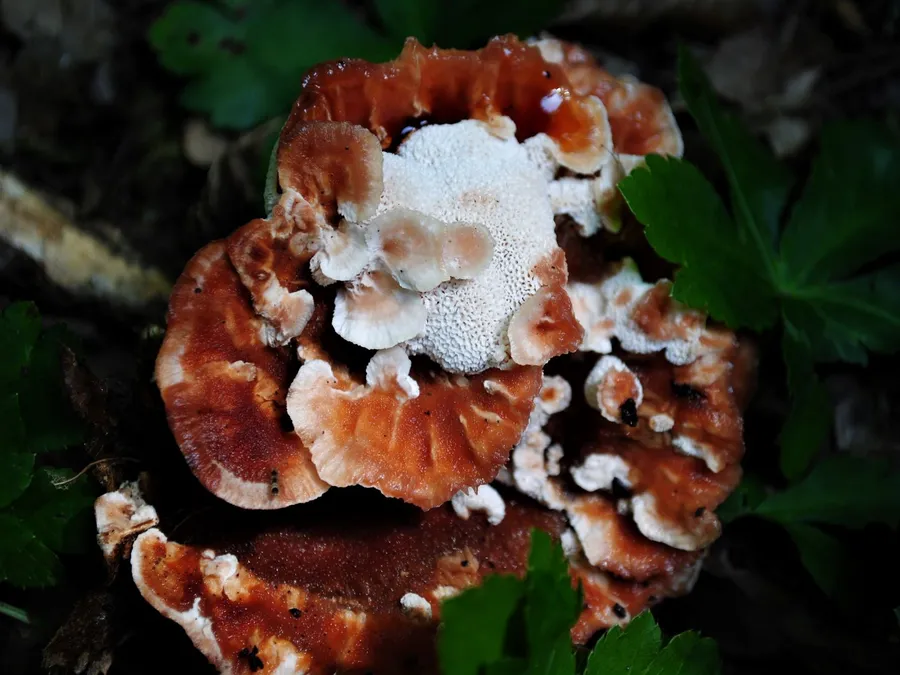
Some Pezizas, pictured, can look similar but these don’t tend to grow on elder and grow with the ‘cup shape’ facing up, the Jelly Ears face down. listening to the ground.
Taste / Smell
Not strong but good if used in Asian style cooking or dried, ground to a fine powder and used as stock.
Other Facts
Can be picked in its dry state and re-hydrated when needed or picked fresh and dried at home.
Can withstand frosts and grows all year round.
Named after the apostle, Judas, who allegedly hanged himself from an Elder tree.
Until recently the common English names Jelly Ear and Wood Ear were used interchangeably in the English speaking world. However, in the light of the recent taxonomic changes within the genus Auricularia, we would recommend to stick to the recommended common English name by the British Mycological Society, which is Jelly Ear. Our Jelly Ear (Auricularia auricula-judae) is a European species, and it is not native to Asia, while Wood Ear (Auricularia heimuer) is native to Asia, and it is not native to Europe. They could be used in the same way in the kitchen, but they are two different species now.