Penny Bun
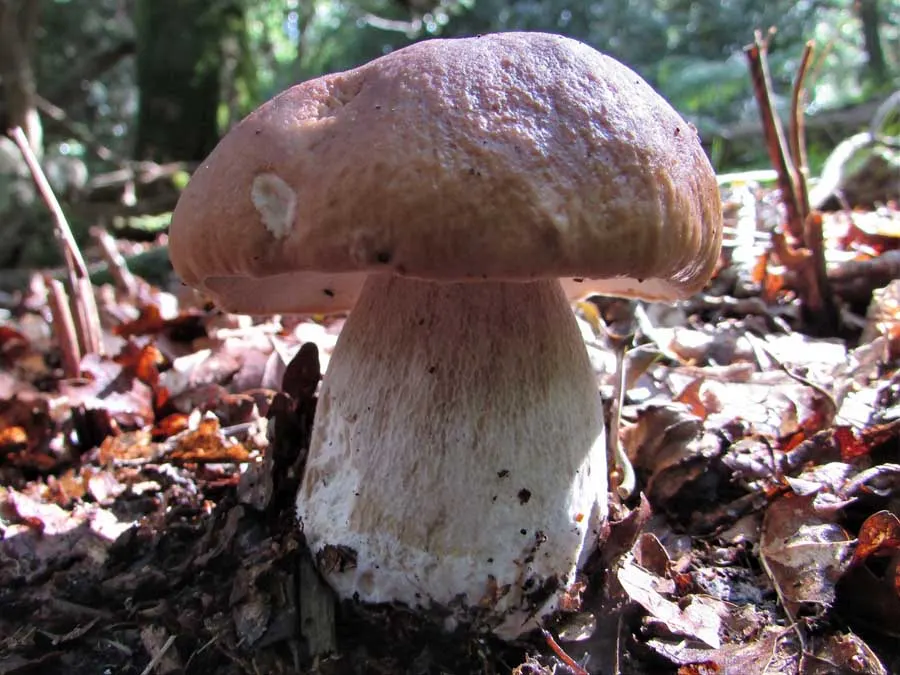


One of the stars of the mushroom world. Easily recognisable among the edible species. Generally seen eight days after rain around late summer to the start of autumn.
Scientific Name – Boletus edulis


Common Names:
Penny Bun (EN), Cep (FR), Porcini (IT), King Bolete (US), Wicsen Gron (CY), Borowik Szlachetny (PL), Ízletes Vargánya (HU)
Please note that each and every mushroom you come across may vary in appearance to these photos.

Cap
7-12 cm. White when very young, maturing to look like a crusty brown roll, hence the name penny bun. The edge of the cap is often white. Slug marks expose white flesh.

Pores
Has very small white pores which turn yellow to green with age.
Stem
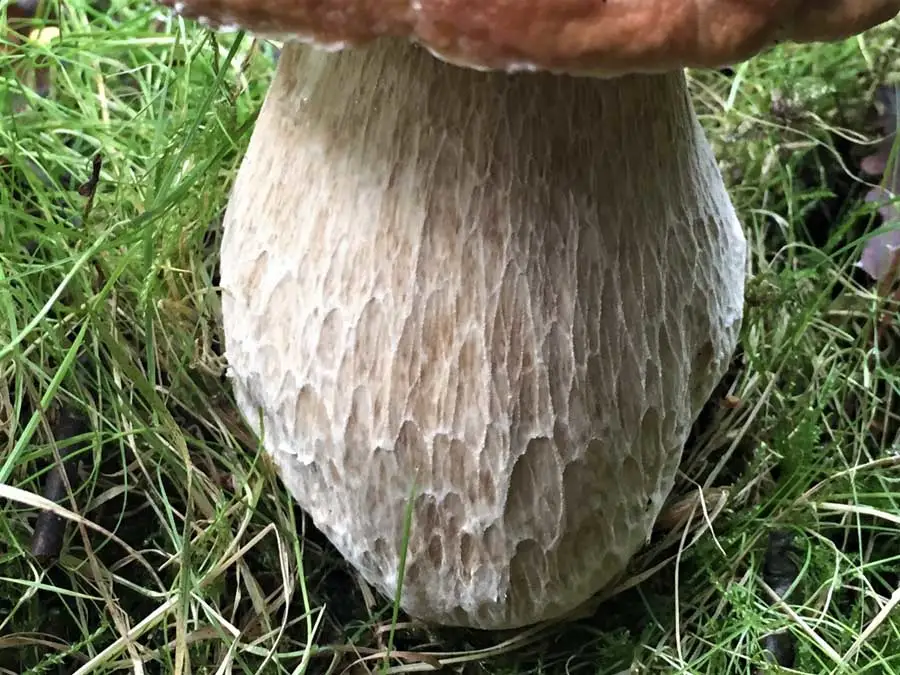
10-14 cm long, 2-4 cm diameter. Thick, bulbous and white ageing to slightly tan yellow. The stem has a fine net like covering just under the cap and sometimes extending all the way down the stem, solid when young, fresh or free from maggots.

Flesh
White slightly yellowing with age.
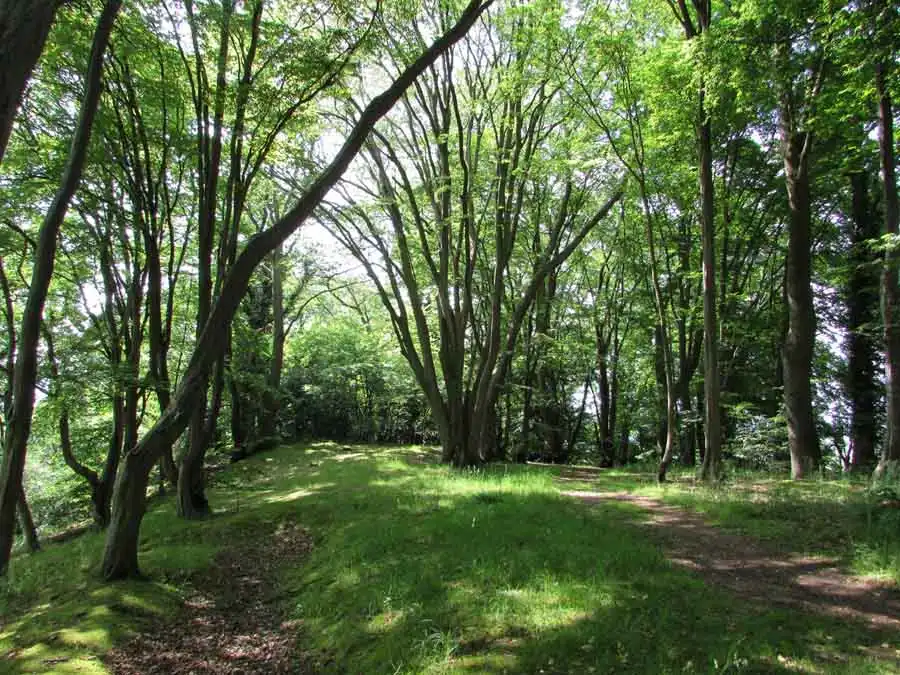
Habitat
Mixed woodland but found more with beech, oak or pine.
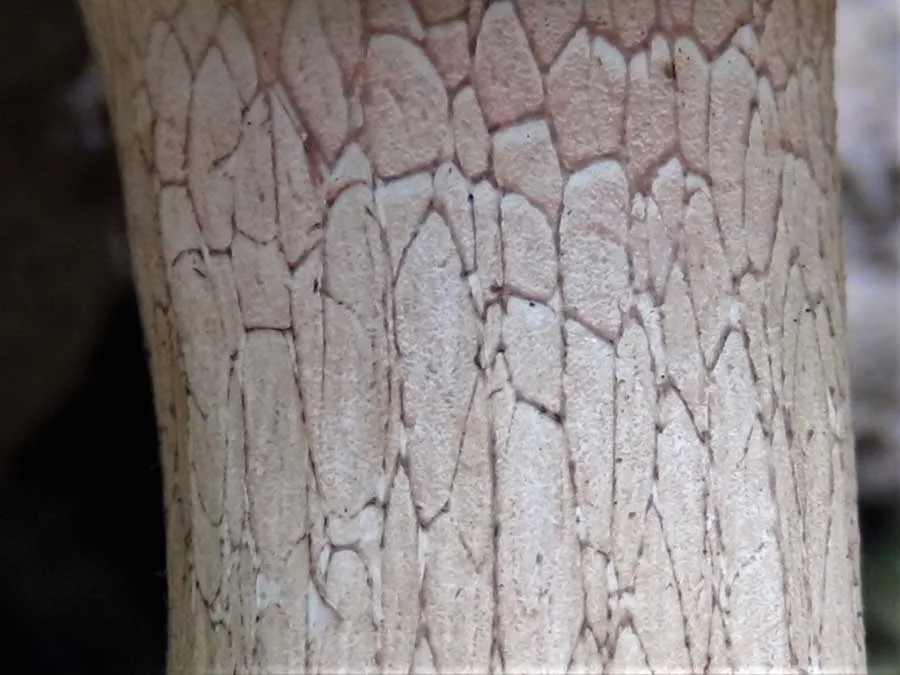
Possible Confusion
No poisonous mushrooms look similar, all the poisonous Boletus such as the Satans Boletus are either very red in the flesh or sponge, or stain blue immediately on cutting.
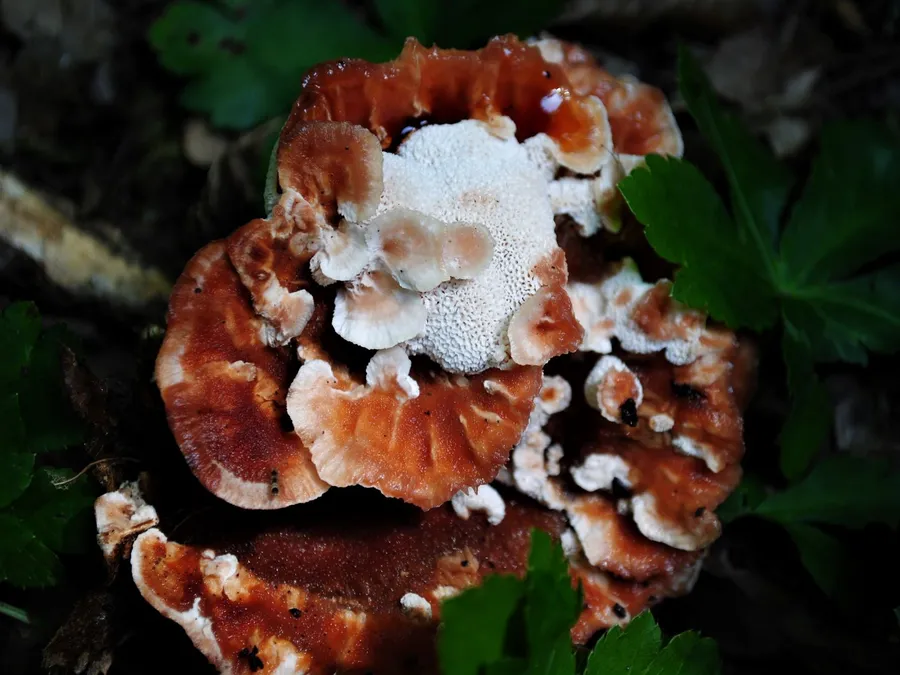
You could potentially confuse this mushroom with the Bitter Bolete, Tylopilus felleus which although not poisonous will ruin any meal you are unfortunate enough to add this mushroom to. A little nibble of the mushroom when raw will soon identify it with the Penny Bun being delicious and the Bitter Bolete being as bitter as sin! A better way to distinguish the two is that the Penny Bun has a lighter net like mesh on a slightly darker stem, the Bitter Bolete has a darker mesh on a lighter stem, pictured.
The Summer Bolete, Boletus reticulatus, looks very similar but the cap colour is paler, it has a slightly darker stem, not as solid flesh, lacks the white cap edge and usually grows in early Summer.
Taste / Smell
Excellent raw or fried in butter when fresh. Very mushroomy, one of the best species to dry where the mushroom flavour is enhanced.
Other Facts
Penny buns produce more glutamates when dried so enhancing the flavour.
Tests on dried Penny Buns found that there were many different Boletes in a packet as they are hard to visually identify when dried.
Please note that there are several closely related species in the US, including the White King Bolete (Boletus barrowsii), Spring King Bolete (Boletus rex-veris), and a local variety of our Boletus edulis in Western North America, called Boletus edulis var. grandedulis.
In March 2025 the IUCN (International Union for Conservation of Nature) added 1000 fungal species to the IUCN Red List of Threatened Species. The IUCN (Global) Conservation Status of Penny Bun (Boletus edulis) is: LC – Least Concern, with stable population.