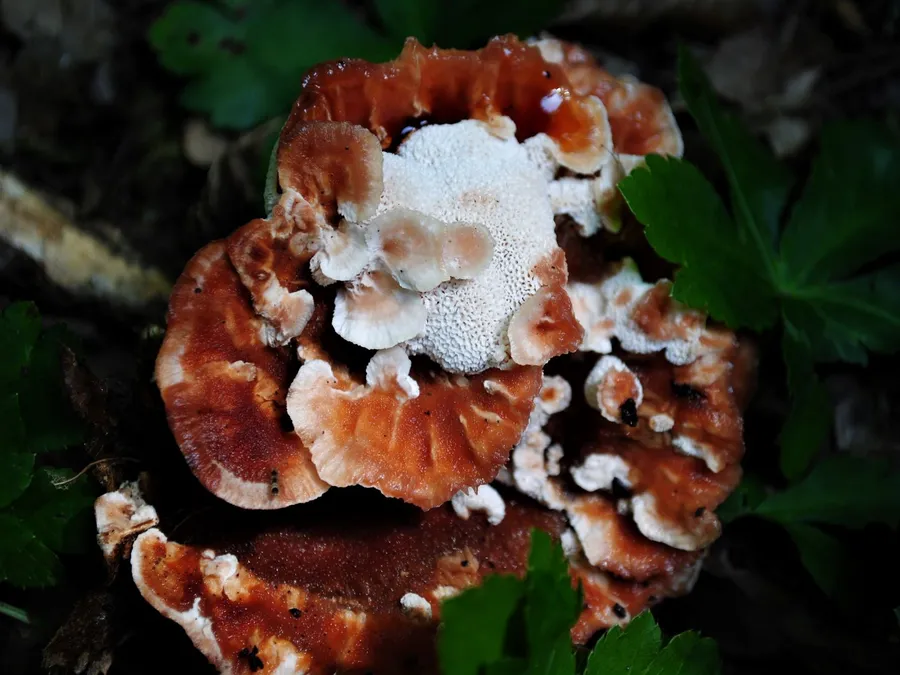
Poplar Fieldcap
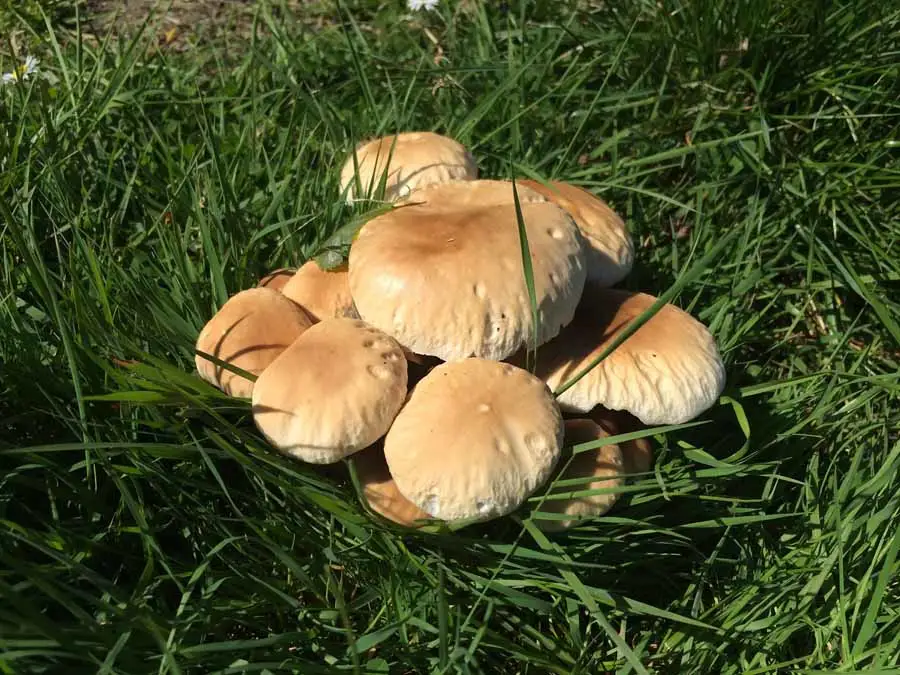


Not very well known, but it’s an excellent edible, often found in large quantities. It’s highly appreciated in other parts of the World. Cyclocybe aegerita, also called Agrocybe cylindracea, Agrocybe aegerita or Pholiota aegerita, is a species of fungus in the genus Cyclocybe. In Japan, it is called Yanagi-matsutake.
Scientific Name – Cyclocybe cylindracea


Common Names:
Poplar Fieldcap (EN), Poplar Mushroom, Pioppino (I), Velvet Pioppini (I), Piopparello (I) , Cap Maes y Poplys (CY), Polownica Południowa (PL), Déli Tőkegomba (HU)
Please note that each and every mushroom you come across may vary in appearance to these photos.

Cap
6-8 cm. The young small buttons have a chestnut brown cap that can be as small as 1cm. As they grow the cap becomes light brown to pale cream, slightly darker in the centre.
Gills
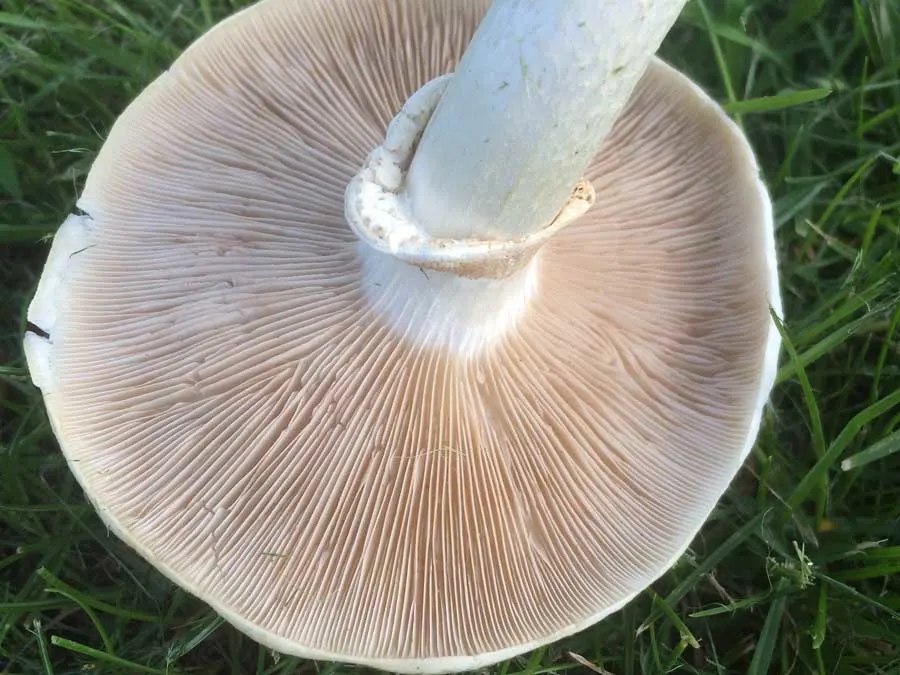
Off white to pale pink brown. Crowded and slightly decurrent (the gills run slightly down the stem).

Stem
7-9 cm long, 1-1.5 cm diameter. It has a long tough stem, often bent when growing in large clusters. Has a persistent skirt towards the upper part of the stem. It is creamy white or slightly darker in older specimens, especially at the base.
Quite often a few specimens will be fused together at the base.
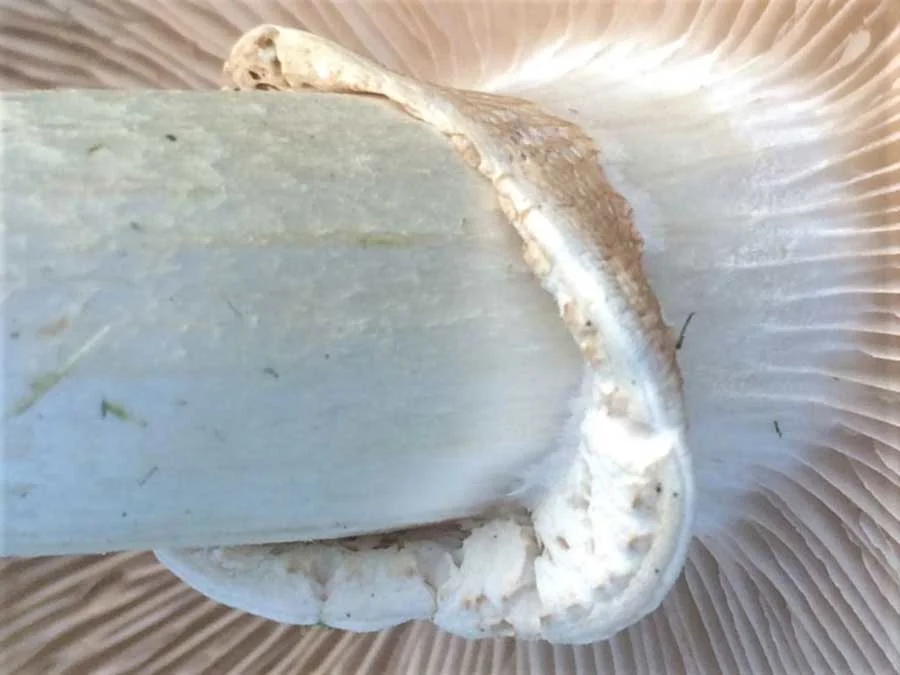
Skirt
Has a superior, persistent skirt towards the upper part of the stem.
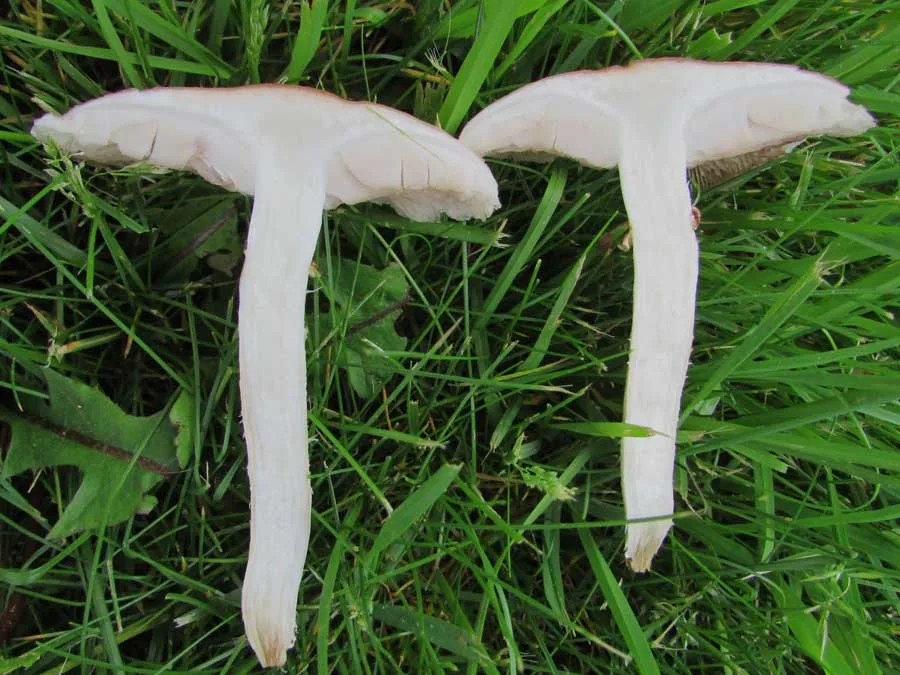
Flesh
The flesh is white to cream coloured and doesn’t change. Firm in the cap, tough and fibrous in the stem.

Habitat
This fungus decomposes dead wood of trees with a preference for Poplar and Willow. Its favourite host is the Black Poplar, pictured, Britain’s most endangered native tree, now hardly found in the wild. Ornamental cultivars of Black Poplar are often planted in gardens and parks. It can appear occasionally with other broadleaf trees. It grows in large groups from the exposed roots of trees, stumps, cracks on trees, and on fallen decaying wood. Sometimes it may appear on the soil when growing from buried dead roots underneath.
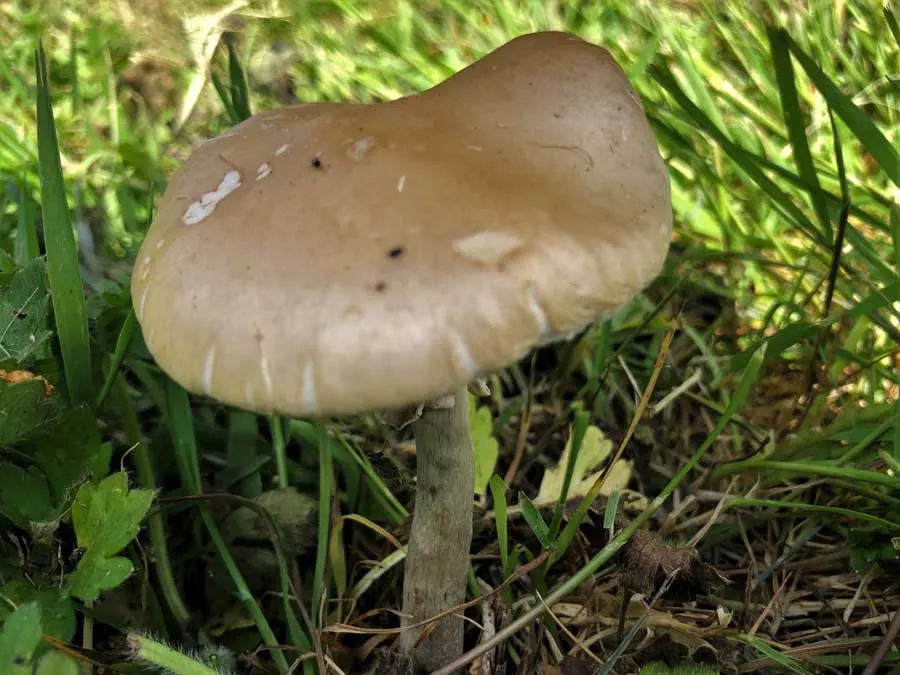
Possible Confusion
It can be confused with other Fieldcaps in the genus Agrocybe like the Spring Fieldcap (Agrocybe praecox), pictured, They all grow on soil or from woodchip and wood debris, and are generally paler and smaller at maturity. The Wrinkled Fieldcap (Agrocybe rivulosa) is the closest. Smells similar and also has a wrinkled cap, but it grows on woodchip, it’s smaller and has a thinner ring. Sometimes the Poplar Mushroom has a small bent stem and looks similar to an Oyster Mushroom. The spore colour is different and the gills in Oyster mushrooms turn creamy yellow, not brown.
Taste / Smell
Nutty, strong, very pleasant. Very tasty once cooked.
Other Facts
Although largely ignored by most foragers in the UK this is a very tasty mushroom. It’s highly prized in other European countries such as Italy, Spain, Portugal and France.
Pliny The Elder mentions it was cultivated in ancient Rome, being one of the first mushrooms to be cultivated. Until recently we thought it is also cultivated in Asia and very popular in Chinese cooking and Traditional Chinese Medicine. However, based on molecular evidences, the Chinese species is different, and now it is called Agrocybe chaxingu.