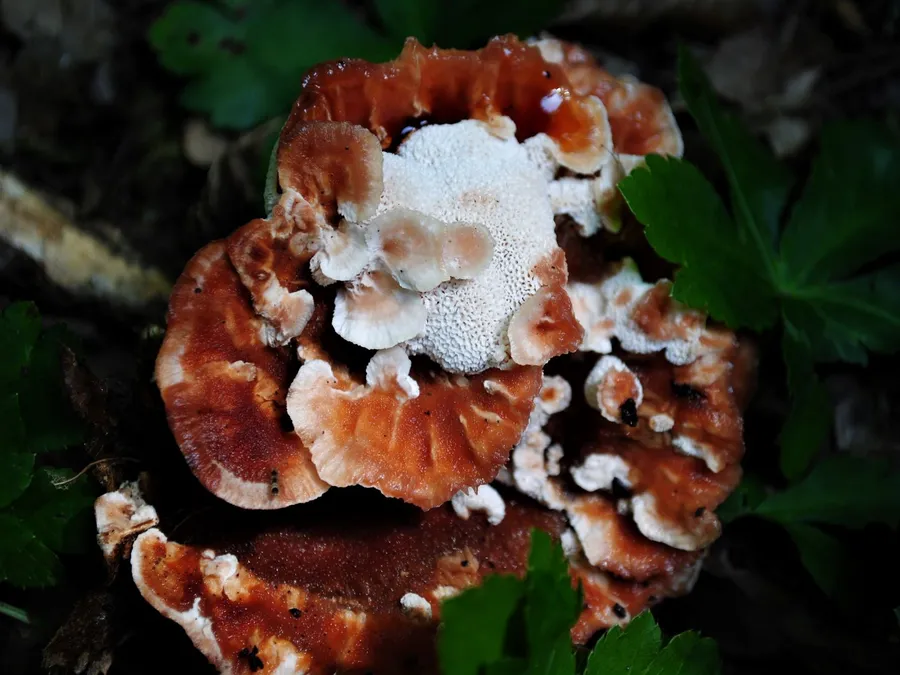
Deathcap
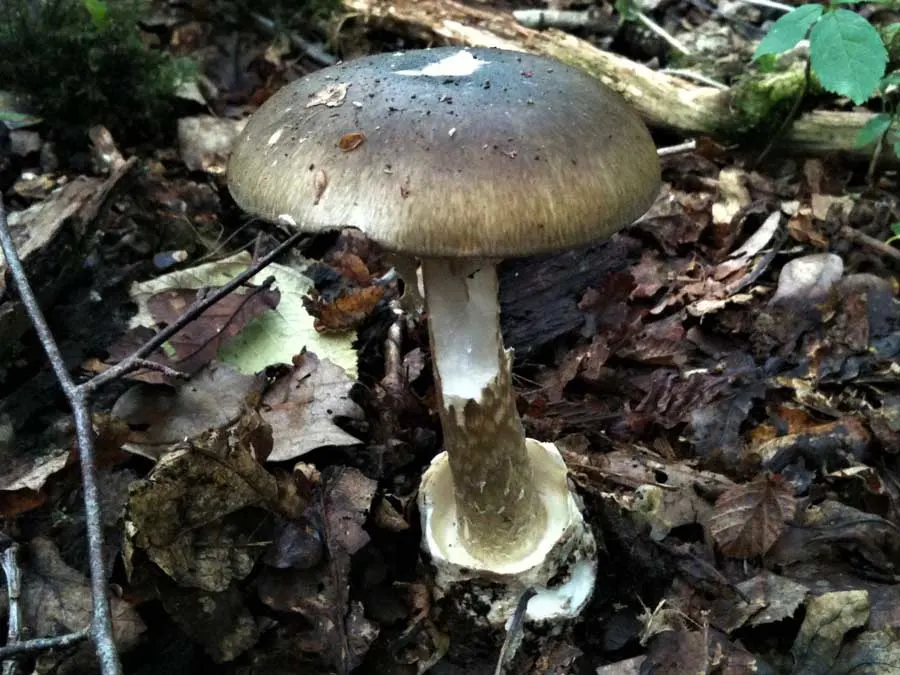


Amanita phalloides, commonly known as the death cap, is a deadly poisonous basidiomycete fungus and mushroom, one of many in the genus Amanita. Originating in Europe but later introduced to other parts of the world since the late twentieth century, A. phalloides forms ectomycorrhizas with various broadleaved trees.
Scientific Name – Amanita phalloides


Common Names:
Deathcap (EN), Death Cap (US), Cap Marwol (CY), Muchomor Zielonawy (PL), Gyilkos Galóca (HU)
Please note that each and every mushroom you come across may vary in appearance to these photos.
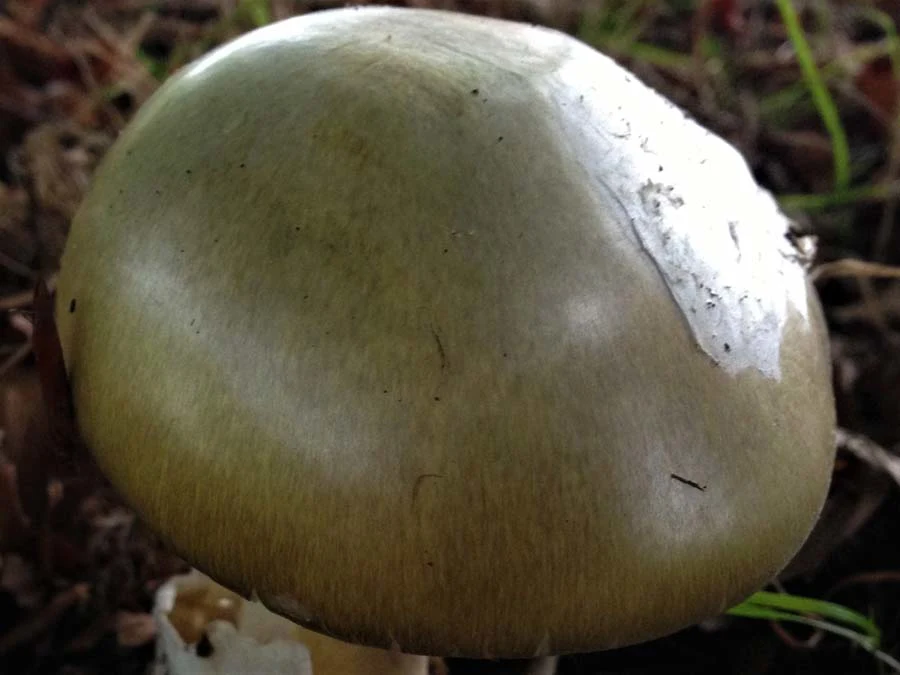
Cap
8-12 cm. Convex at first then opening and flattening. The cap colour can vary from olive green to dirty yellow or even tan brown. Slimy when wet but still looking shiny when dry.

Gills
Crowded and free of the stem. White to cream.

Stem
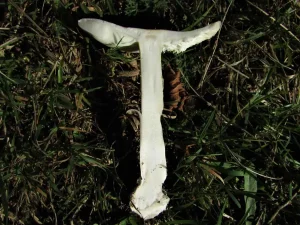
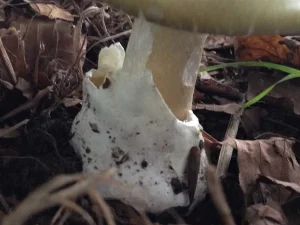
10-14 cm long, 1-1.5 cm diameter. White with a bulbous base and surrounded by a thin veil (volva) which is sack-like at ground height, tapering slightly towards the cap. The top of the volva will often be found attached to the stem more than halfway up, looking like a skirt.

Skirt
Superior. White with obvious striations under the skirt sometimes visible on top.

Volva
A very obvious deep volva that can be under the ground surface.

Flesh
White.

Habitat
Most mixed woodland, particularly with oak and other deciduous trees.
Taste / Smell
DO NOT try any part of this mushroom.
Other Facts
The symptoms of Deathcap poisoning can start several hours after ingestion with severe vomiting, diarrhoea and abdominal pains and can last for a few days; this is followed by what seems to be a recovery for a few days but ending in death from kidney and liver failure. The main poison, alpha-amanitin, kills liver cells and passes through the kidneys to be recirculated and cause more damage.
There are things that can be done to try and mitigate any harm from ingestion of the Deathcap while on the way to hospital. Excessive hydration with water can be very helpful as soon as possible. In hospital they can now sometimes treat the poisoning using an extract of milkthistle, if not, dialysis followed by new kidneys and possibly liver is the only option.
Mythology and symbolism
Deathcaps are able to produce circles of fruiting bodies, known as fairy rings, which over centuries have been the subject of fairy tales and folklore. With only a small amount of the cap being necessary to kill someone, and symptoms not always appearing straight away, they have been used as an invisible murder weapon for millennia. The Romans and ancient Greeks recognised it as a deadly poison. It is said that Agrippina murdered her husband, Roman Emperor Claudius, by mixing deathcap juice with Caesar’s mushrooms (Amanita caesarea). He died of poisoning a few days after the meal. Voltaire claimed that Charles VI died by deathcap poisoning. Thousands more have died when mistaking deathcaps for edible mushroom species, especially at the button stage.