Glistening Inkcap
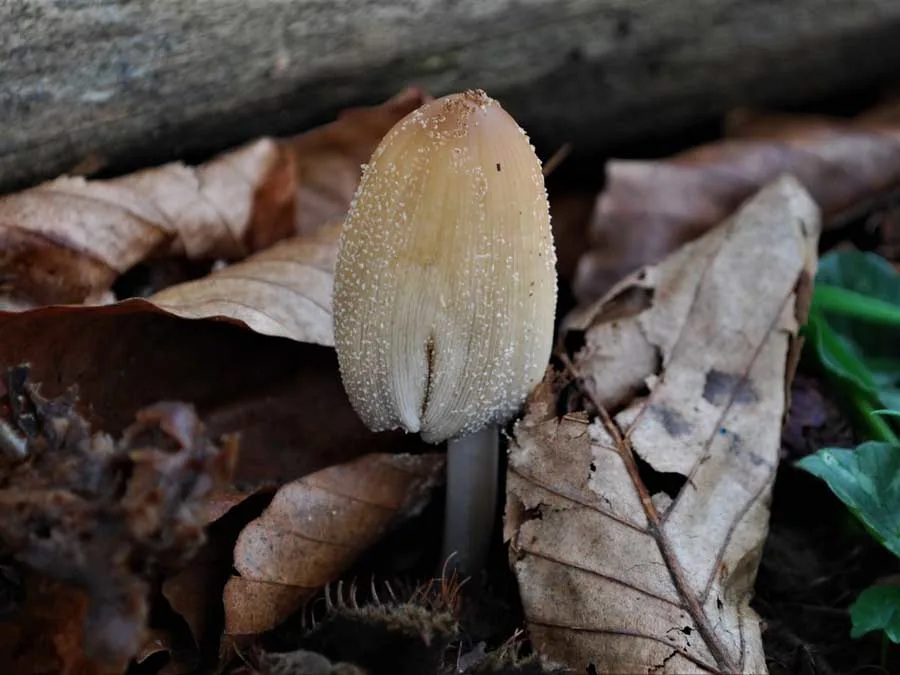


The powdery ‘mica’ covering can be seen shining when the sun is out but this mushroom has little nutritional value so is best left alone or added to other mushrooms in a dish.
Scientific Name – Coprinellus micaceus

Common Names:
Glistening Inkcap (EN), Mica Cap (US), Cap Inc Gloyw (CY), Czernidłak Błyszczący (PL), Kerti Tintagomba (HU)
Please note that each and every mushroom you come across may vary in appearance to these photos.
Cap
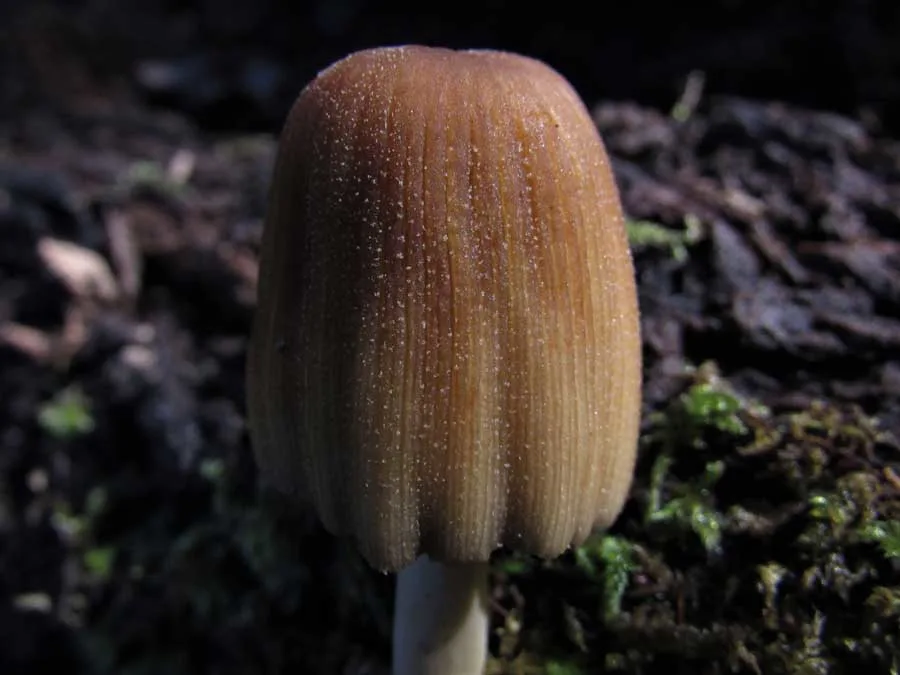
2-3 cm. Orange/brown, ochraceous becoming a bit darker towards the centre. Initially bell-shaped becoming furrowed and then splitting. Has grooves running from the top of the cap to the edge and a covering of white powdery ‘mica’ which can wash off in the rain. The cap deliquesces or melts to a black liquid soon after maturity.

Gills
Gills white then brown and finally black. Crowded and free of the stem.
Stem
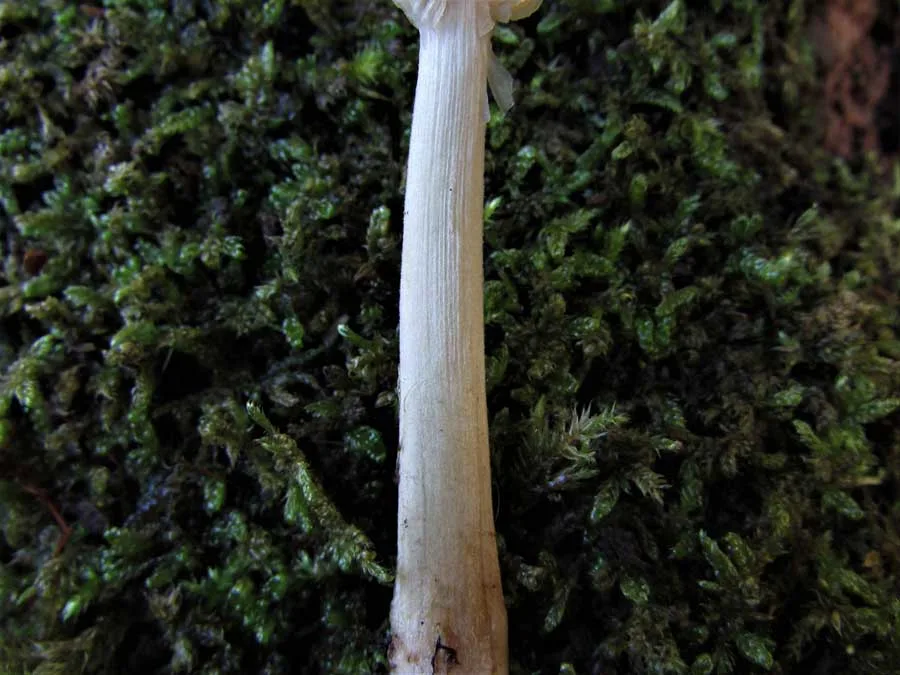
4-6 cm long, 0.2-0.4 cm diameter. White, slightly discoloured at the base. Thin.

Flesh
Very thin.
Habitat
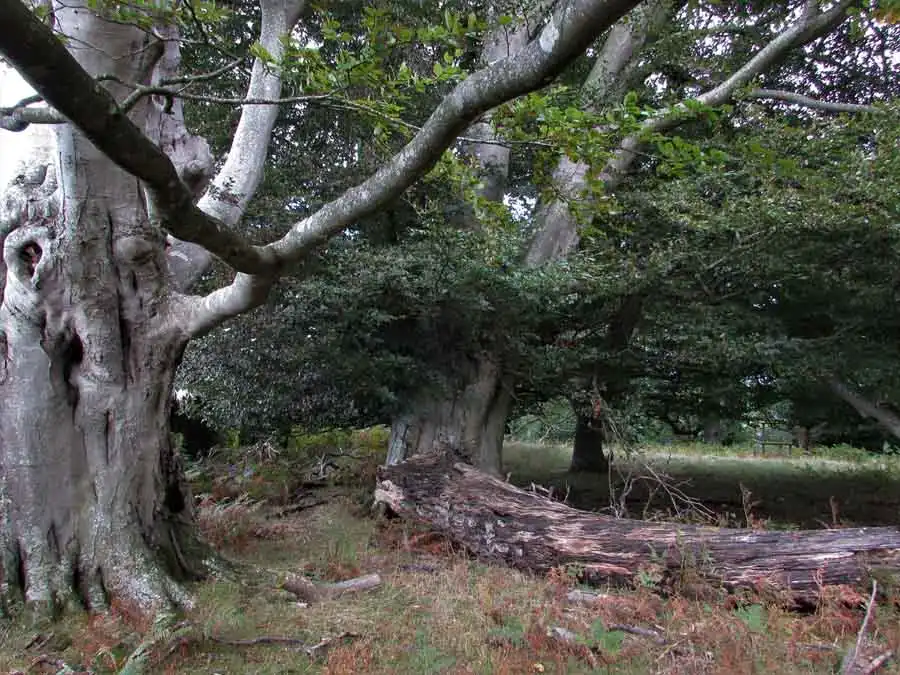
Around broad leaved stumps or on buried wood.

Possible Confusion
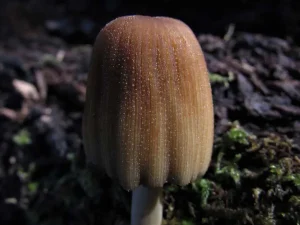
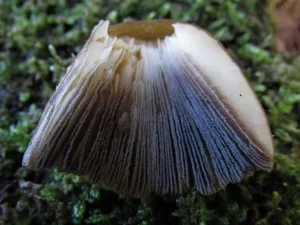
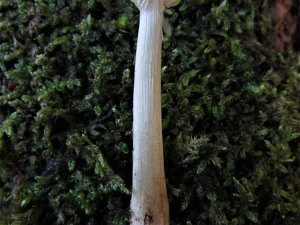
It can look like Woodland Inkcap (Coprinellus silvaticus), pictured, after the rain has washed off the powdery ‘mica’. Coprinellus silvaticus is inedible so only mushrooms with the ‘mica’ covering should be eaten.
Taste / Smell
Mildly mushroomy, not really worth while unless mixing in with other mushrooms.
Other Facts
Coprinellus micaceus is an edible species, and cooking inactivates the enzymes that cause autodigestion or deliquescence—a process that can begin as soon as one hour after collection. It is considered good for omelettes, and as a flavor for sauces, although it is “a very delicate species easily spoiled by overcooking”. The flavor is so delicate that it is easy to overpower and hide with almost anything. The fungus also appeals to fruit flies of the genus Drosophila, who frequently use the fruit bodies as hosts for larvae production.
A study of the mineral contents of various edible mushrooms found that C. micaceus contained the highest concentration of potassium in the 34 species tested, close to half a gram of potassium per kilogram of mushroom. Because the species can bioaccumulate detrimental heavy metals like lead and cadmium, it has been advised to restrict consumption of specimens collected from roadsides or other collection sites that may be exposed to or contain pollutants.