Magpie Inkcap


Coprinopsis picacea, commonly known as the magpie mushroom, magpie fungus, or magpie inkcap, is a species of fungus in the family Psathyrellaceae. It is toxic.
Scientific Name – Coprinopsis picacea


Common Names:
Magpie Inkcap (EN), Magpie Fungus, Cap Inc Du a Gwyn (CY), Czernidłak pstry (PL), Harkálytintagomba (HU)
Please note that each and every mushroom you come across may vary in appearance to these photos.

Cap
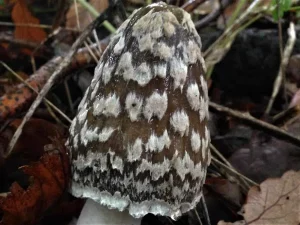
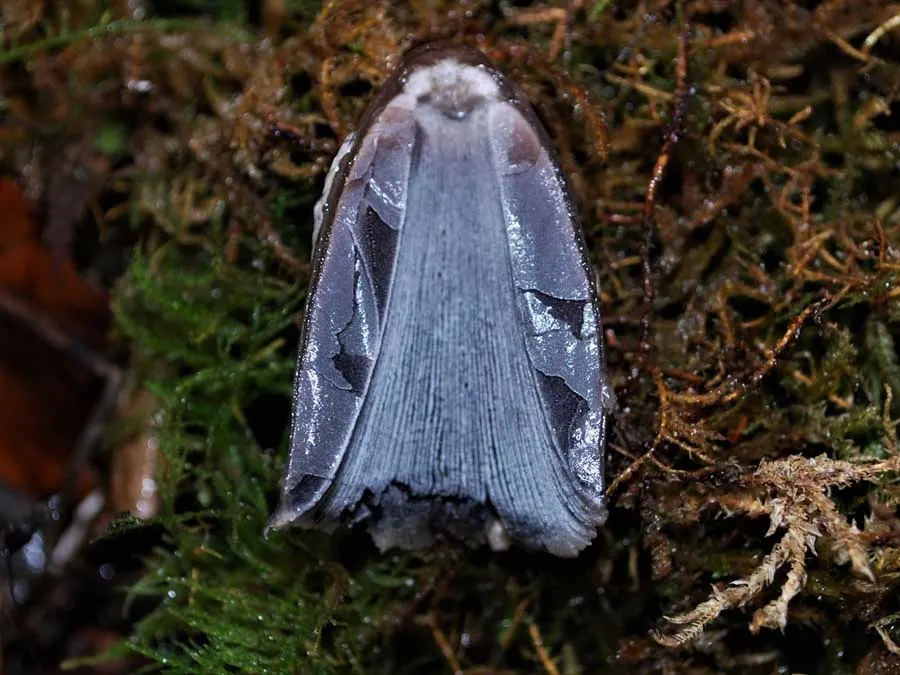
5-7 cm. Elongated finger-like shape opening to a cone. Appearing white and shaggy with a black background turning brown/grey to black and then ‘melting’ or deliquescing.
Gills
Gills white turning pink to grey to brown until becoming black and ‘melting’. Crowded and free of the stem.
Stem
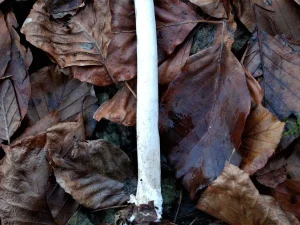
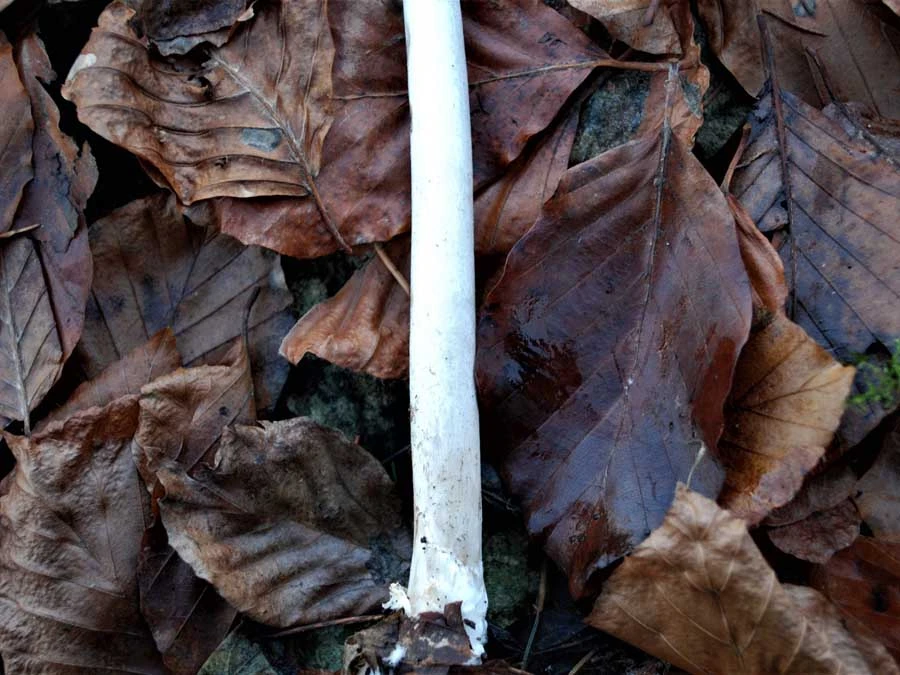
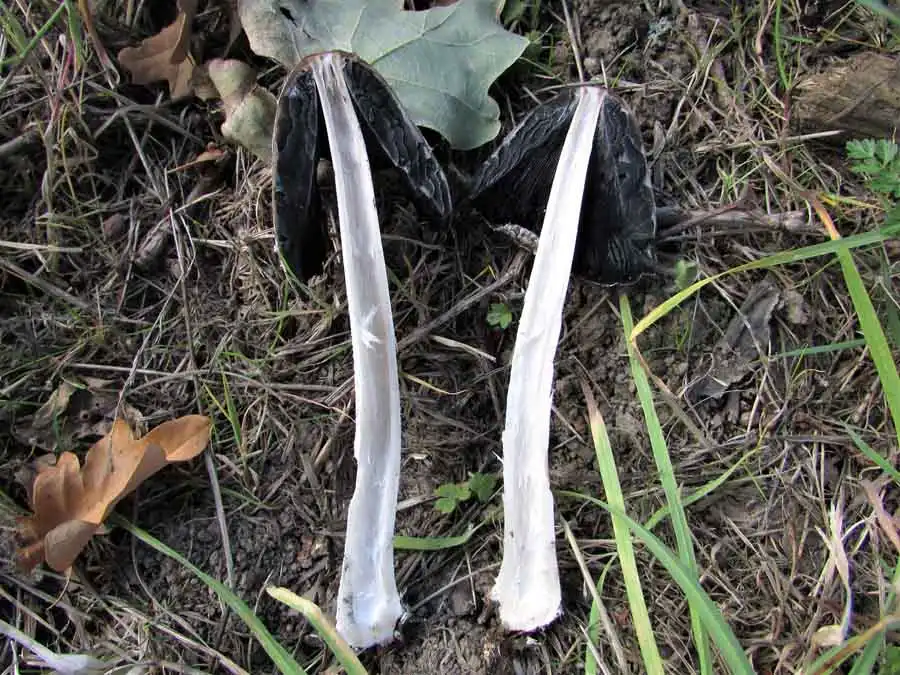
7-10 cm long, 0.4-1.2 cm diameter. White, narrow, usually hollow and with a white movable skirt that is low down on the stem and quite often missing. Can have a slightly hairy bulbous base.
Flesh
White.
Habitat
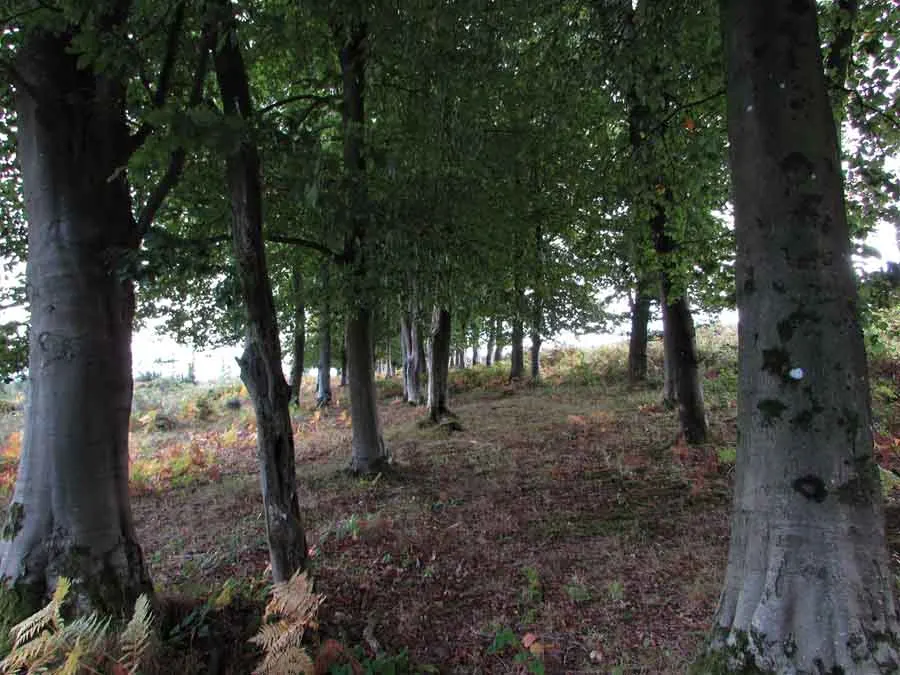
Beech woodland especially on chalky soils.
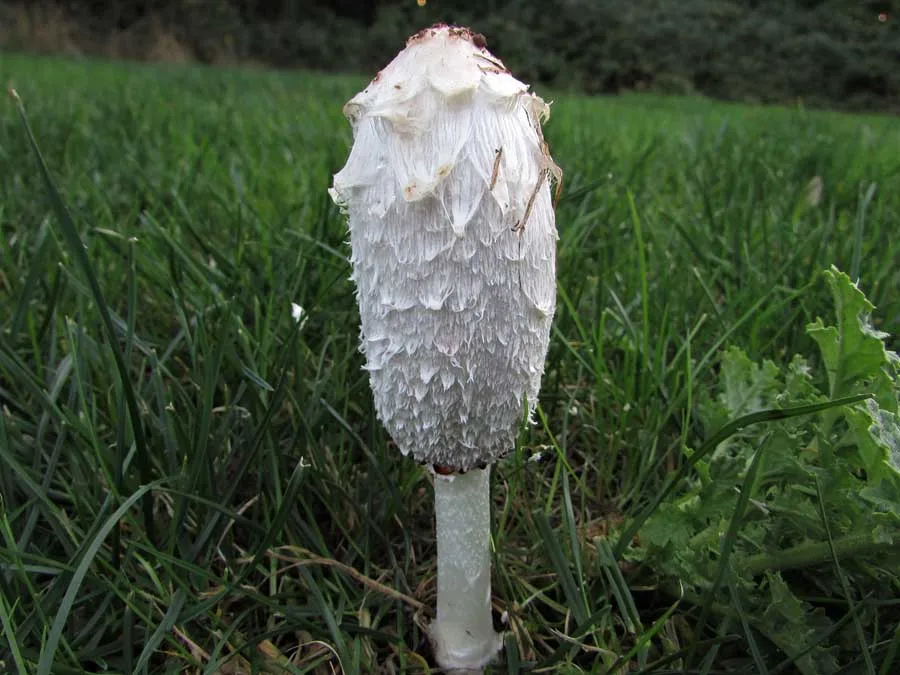
Possible Confusion
The Shaggy Inkcap (Coprinus comatus), pictured, has a white cap with white scales, the Magpie Inkcap has a black cap with white scales.
Other Facts
The magpie inkcap is common in Europe and Australia, but it also exists in North America, though it is uncommon. In Europe, the area extends from Great Britain and France in the west to Poland, Hungary and Romania in the east and south to Spain and the Balearic Islands, Italy and Greece and to Germany and Denmark in the north. Unlike the Shaggy Inkcap, the Magpie Inkcap is reported to be poisonous – perhaps further evidence of the genetic distance between them. In any case these are quite rare finds in most areas and best left for others to see and enjoy.