Inky Mushroom


A fairly common mushroom that can often be found in large numbers. When first spotted it usually causes a bit of excitement as it can resemble the Prince, then when smelt, disappointment sets in.
Scientific Name – Agaricus moelleri
Common Names:
Inky Mushroom (EN), Madarch Llwyd-Ddu (CY), Pieczarka Szarołuskowa (PL), Tintaszagú Csiperke (HU)
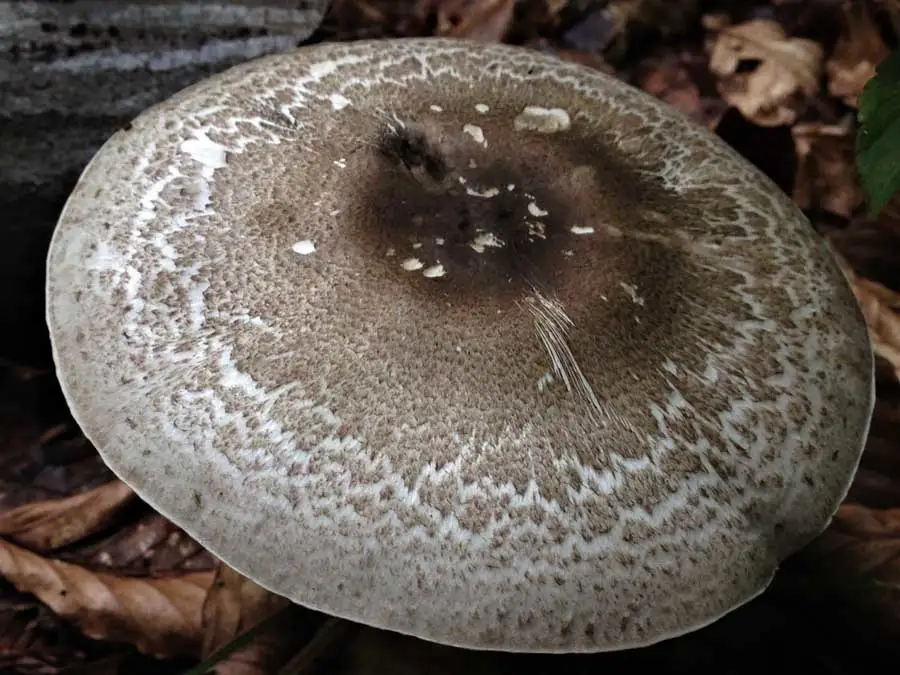
Cap
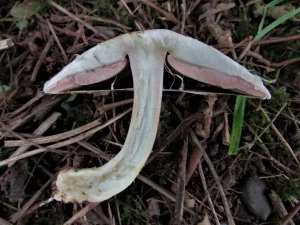
7-10 cm. White but covered with tiny smoky/grey or brown scales which are more dense towards the middle. Starting ovoid but becoming flat.
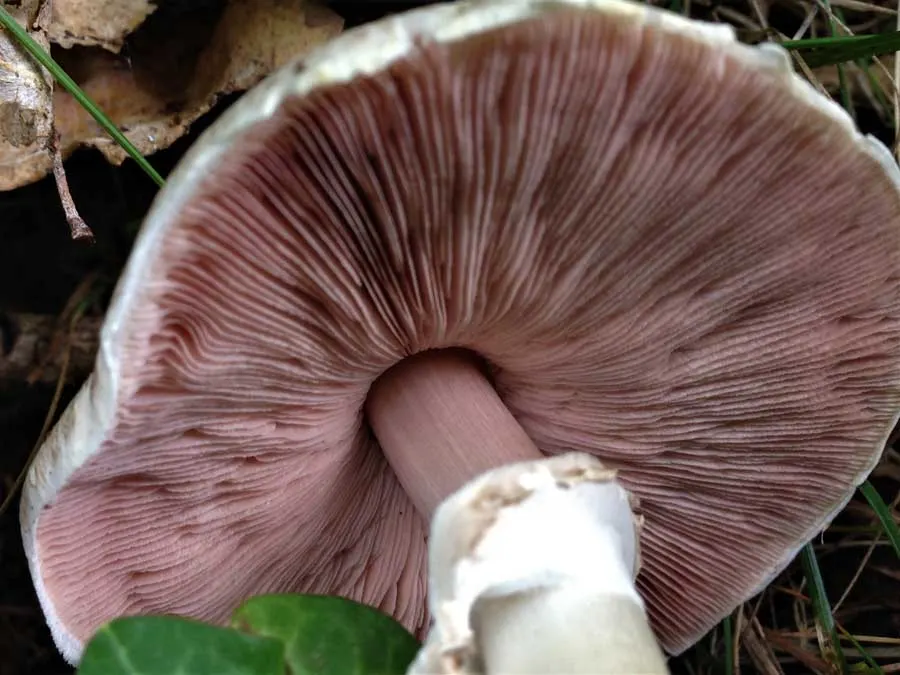
Gills
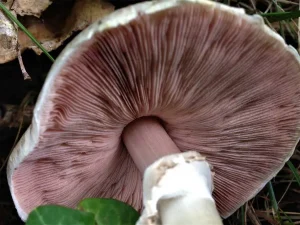
Crowded and free of the stem. The gills start pink and stay like that until finally becoming dark brown/black.
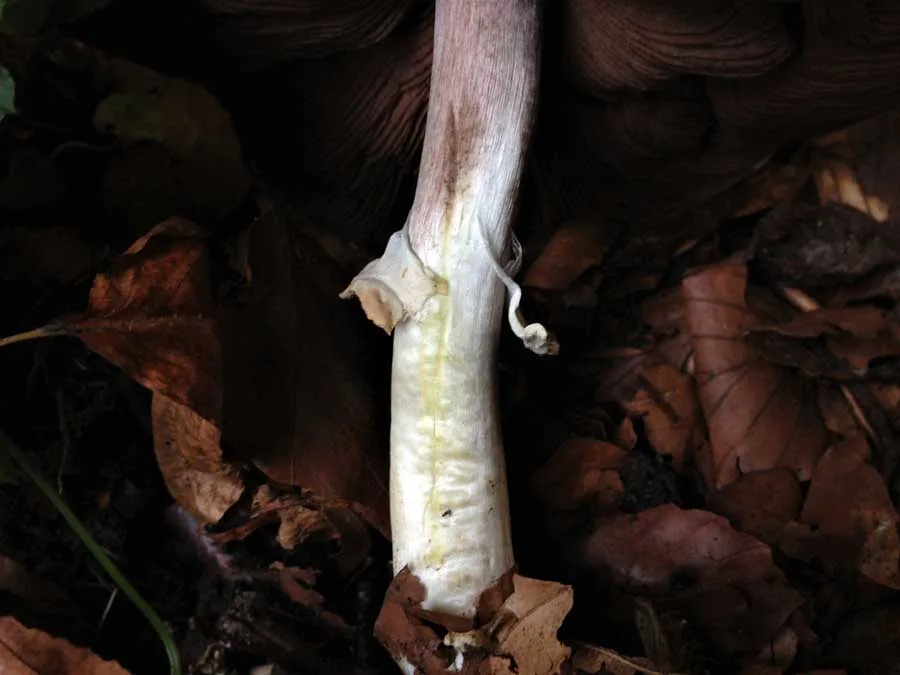
Stem
8-14 cm long, 1-1.2 cm diameter. White and slightly bulbous towards the base.
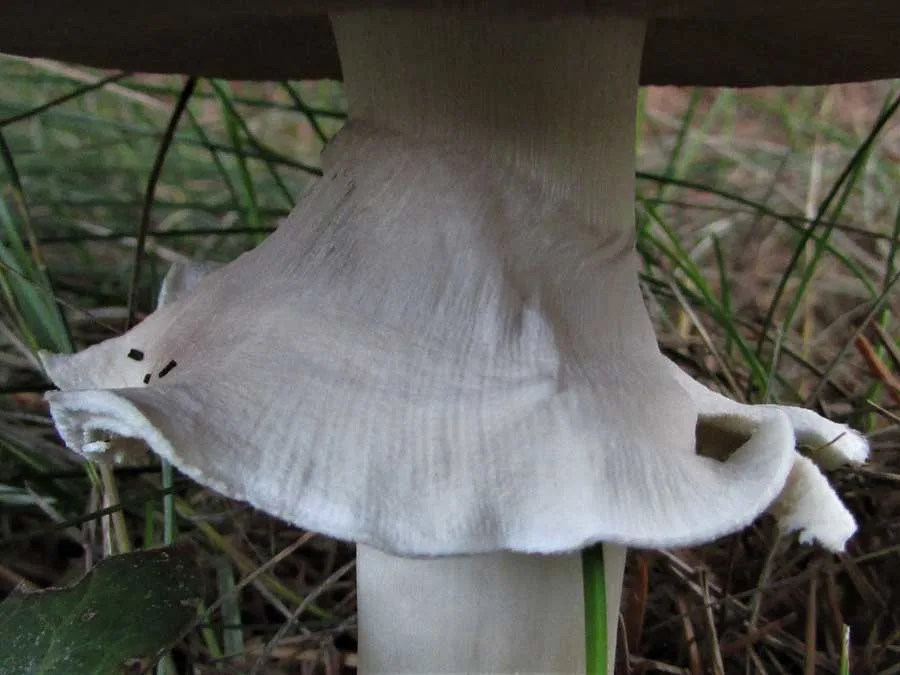
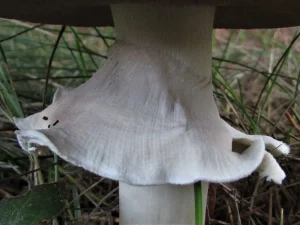
Skirt
Has a large, superior, membranous skirt.
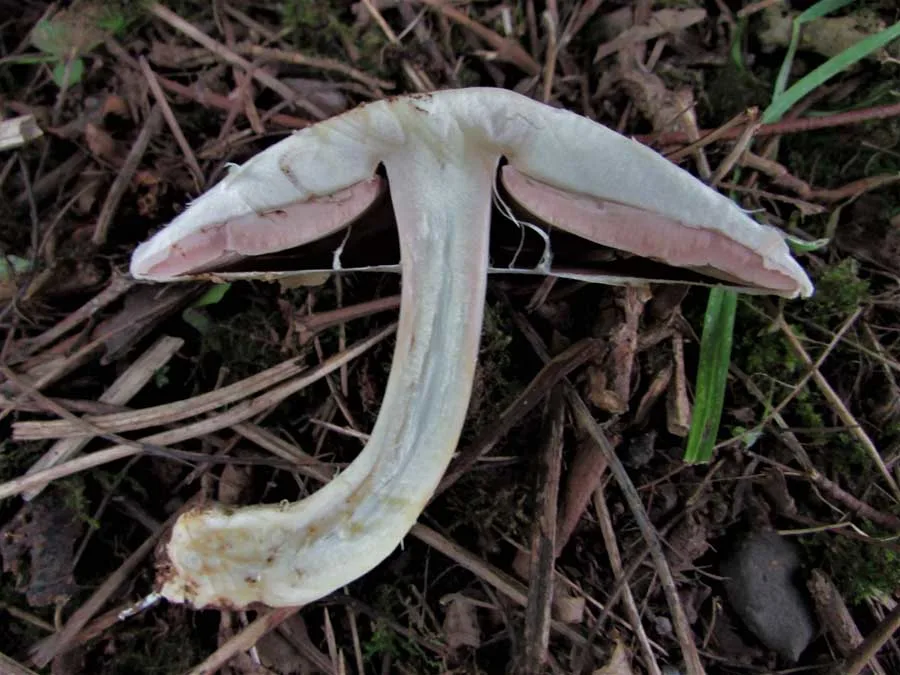
Flesh
White discolouring slightly yellow and becoming brown.
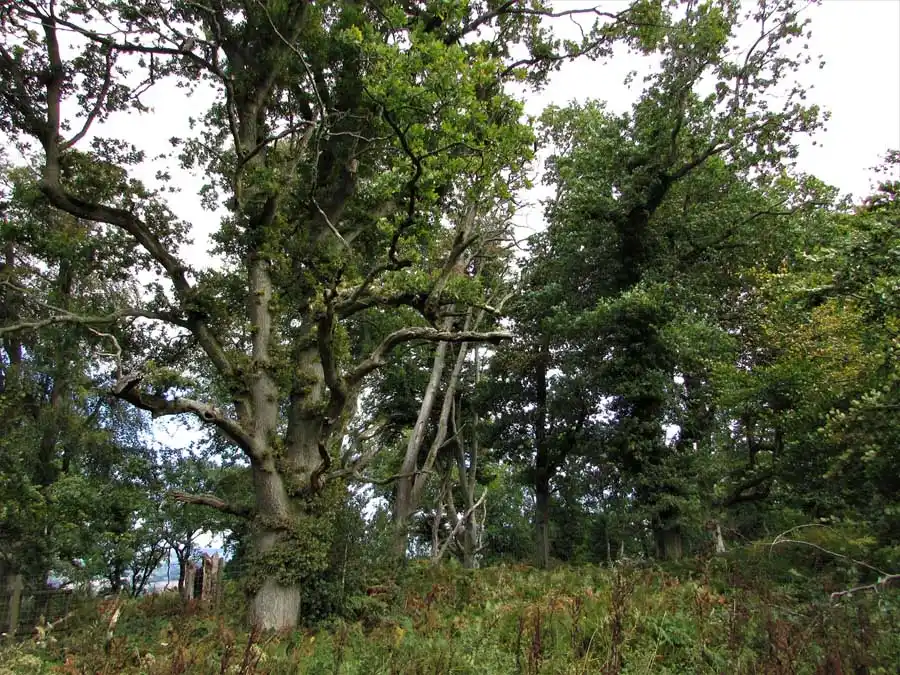
Habitat
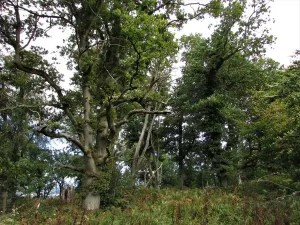
Mainly woodland in troops but can be found occasionally in grassland. Agaricus moelleri is found in the temperate zones of the Northern Hemisphere, including parts of North America, Europe (including Britain), and Asia. It grows in mixed forests and woods. It is widespread, but can be locally rare, and favors rich alkaline woodland, or parkland.
Other Facts
Agaricus moelleri, commonly known as the inky mushroom, or dark scaled mushroom, is a large species of fungus in the genus Agaricus. It appears occasionally in most kinds of woodland, during late summer, in northern temperate zones.
The cap has a greyish-brown patch in the centre and cold grey-brown scaling on the surrounding off-white background. It is 5 to 9 centimetres (2 to 3+1⁄2 in) in diameter, and yellows when bruised. It is ovate when young, flattening later. The stem has a drooping ring and stains yellow very easily when bruised, this colour then changes to brown over time. The stem flesh bruises yellow only faintly, and is more noticeable in the base. The gills are crowded, and free, as is typical for an Agaricus. They are pink on young specimens, but brown to black on older fruit bodies. The flesh is white and does not change colour on cutting. It smells like ink, iodoform, phenol, sweat, or mouldy straw. The spores are 4–6 x 3–4 μm and are elliptical.