Meadow Waxcap


The species has a widespread, mainly temperate distribution, occurring in grassland in Europe and in woodland elsewhere. The basidiocarps (fruit bodies) are edible and are occasionally collected and sold commercially.
Scientific Name – Hygrocybe / Cuphophyllus pratensis


Common Names:
Meadow Waxcap (EN), Cap Cwyr y Ddôl (CY), Kopułka Łąkowa (PL), Élénkszínű Nyirokgomba
Please note that each and every mushroom you come across may vary in appearance to these photos.
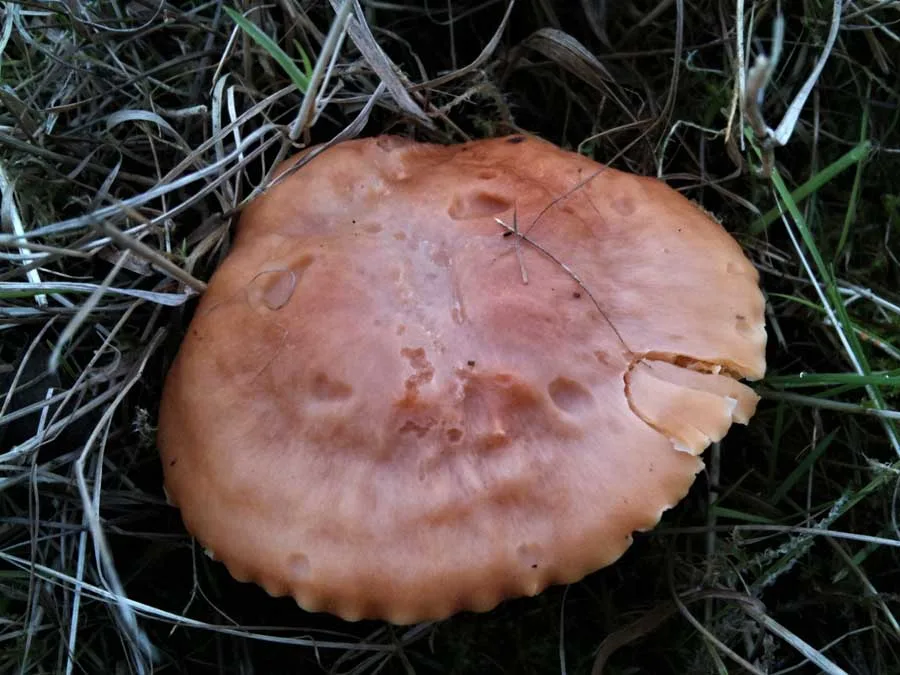
Cap
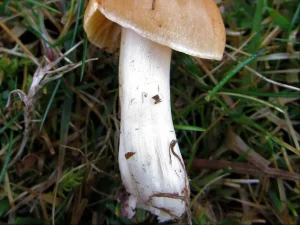
4-10 cm. Convex to flat to having upturned edges with a wide umbo and thick flesh. Tawny orange to buff. A bit waxy looking and feeling. The cap can crack deeply with age and fade to almost white when old and dry.
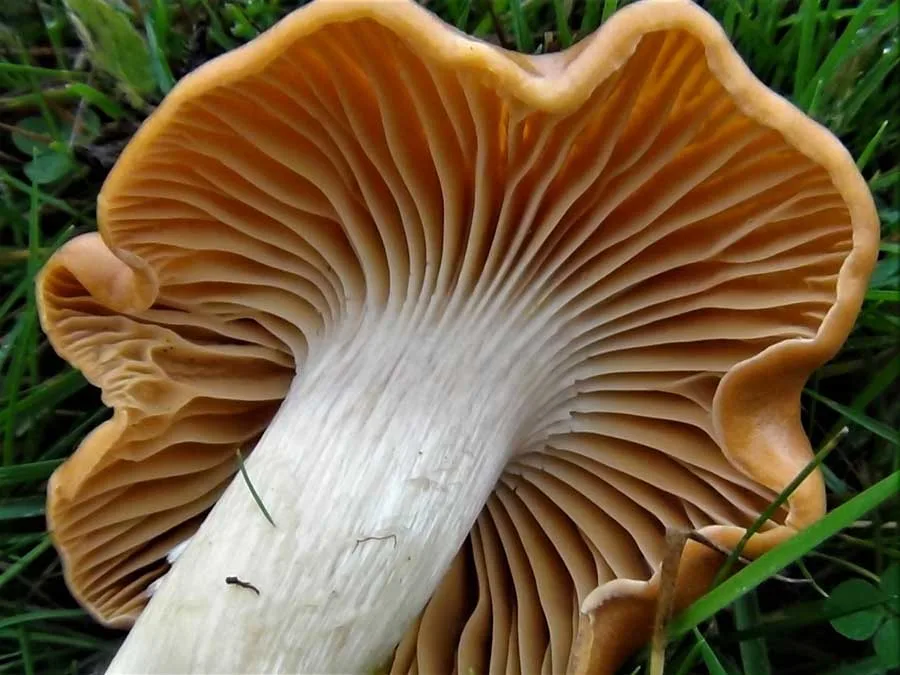
Gills
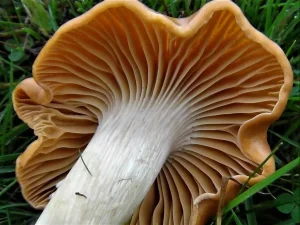
Gills cream to orange/straw coloured. Thick waxy and running down the stem (decurrent). Quite widely spaced. There are veins or very small gills running at right angles between the main gills, in older mushrooms these can become wrinkled.

Stem
7-10 cm long, 1-2 cm diameter. Off-white to salmon. Stout and tapering slightly towards the base. Can become hollow with age.
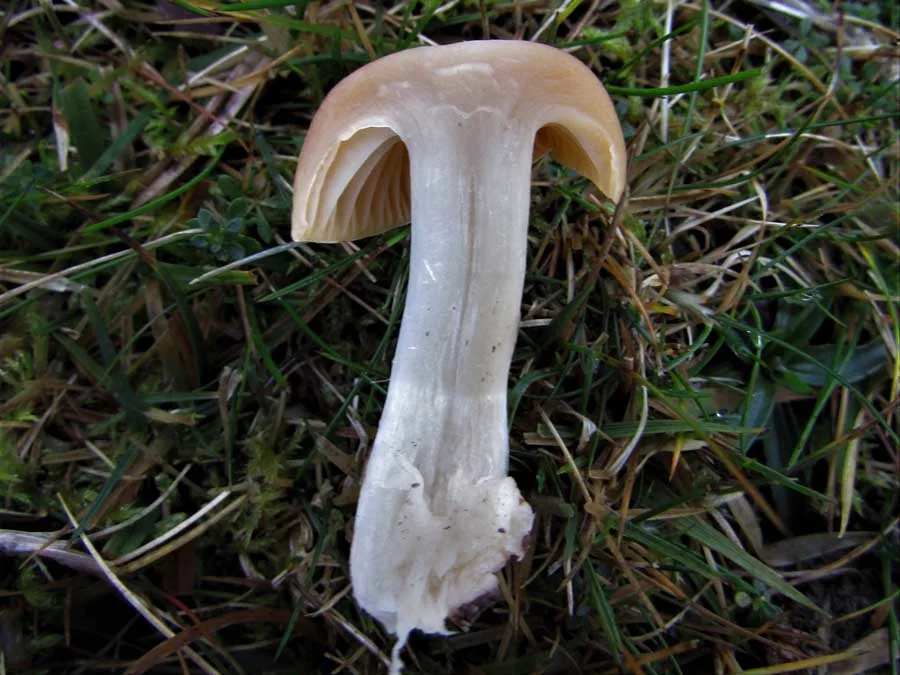
Flesh
White becoming pale cap coloured.
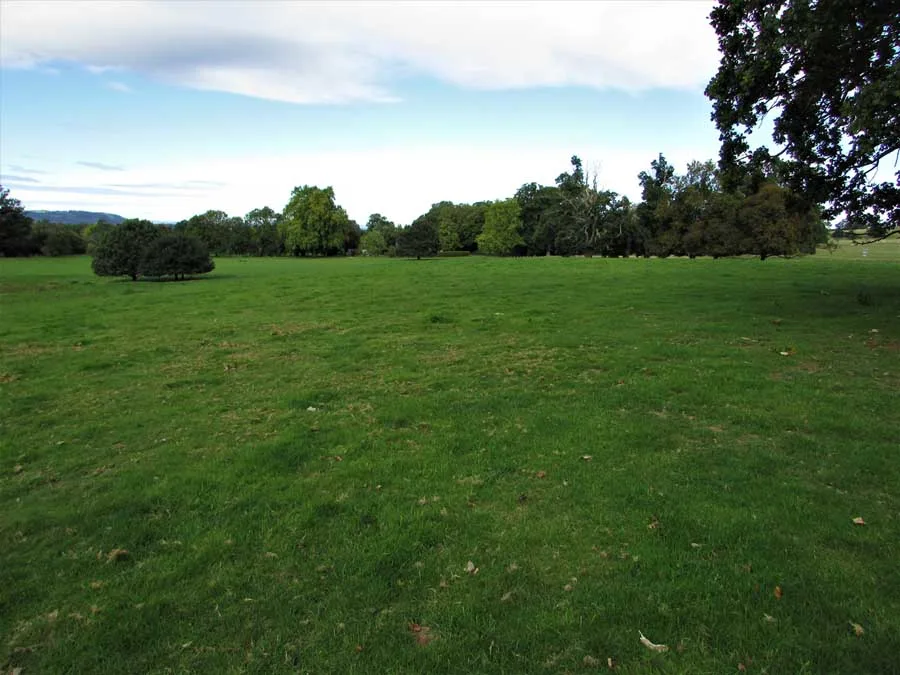
Habitat
Grassland and pasture. Grows in groups or troops or sometimes individually.
Taste / Smell
Mushroomy. This is the best in the family for edibility having both a good taste and thick flesh.
Other Facts
On a Europe-wide scale most waxcap fungi are now quite rare, and so although in western Britain many of the acid-soil species are still plentiful most mycologists deplore the suggestion of these lovely fungi being gathered to eat. Nevertheless, the Meadow Waxcap is quite well known as an edible mushroom, and in areas where there are enough of these fruitbodies to make collecting them worthwhile there are a few fungiphages who rate them very highly indeed.
Being fleshy and containing plenty of moisture (the latter a characteristic of waxcaps), Meadow Waxcaps can be fried in their own juices. Simply drop them into a hot pan with a bit of salt and pepper; there is no need to add fat or oil. When young and fresh the texture is firm, and so these wild mushrooms are good served with either meat or fish dishes.
One other plus point for this grassland mushroom (in its var pratensis form shown immediately above, of course, not the very rare var. pallida) is that it is difficult to confuse it with any of the poisonous gilled fungi that you are likely to find well away from trees.