Panthercap


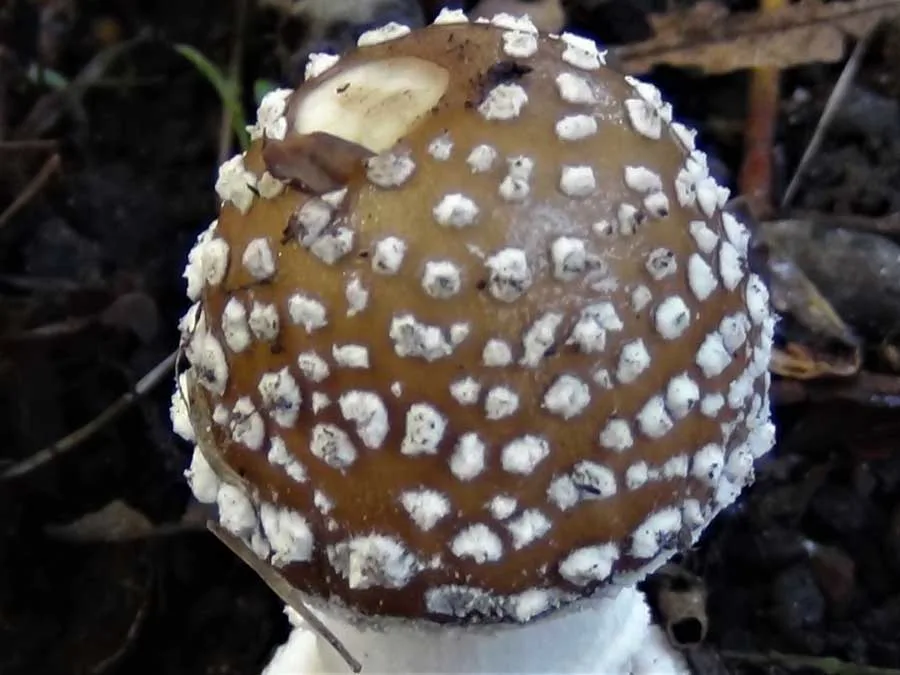
Cap
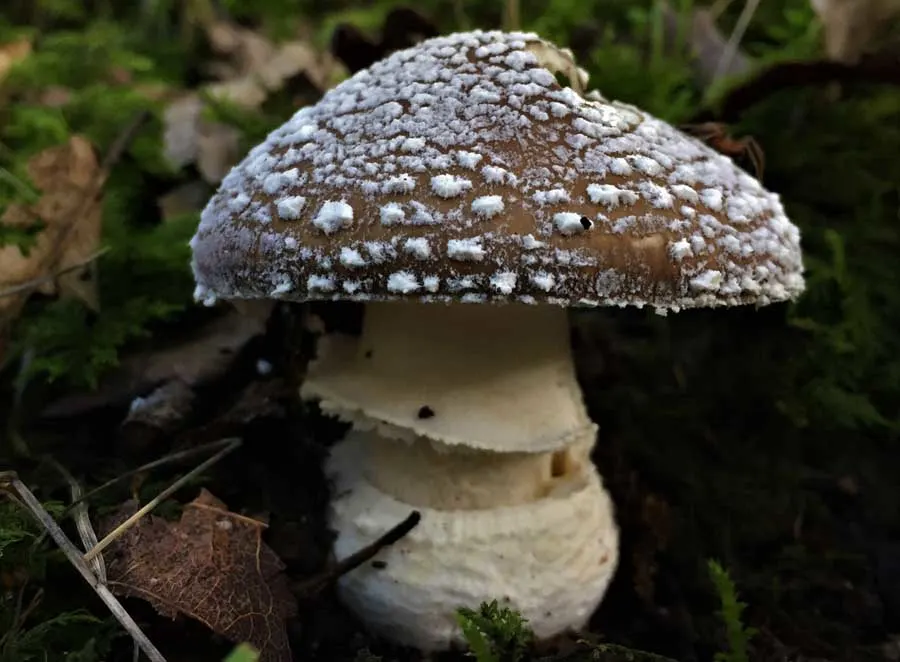
8-12 cm. Convex, flattening a bit with age. Dark brown to slightly red brown covered in thick white scales or ‘warts’ left from the veil of the volva.
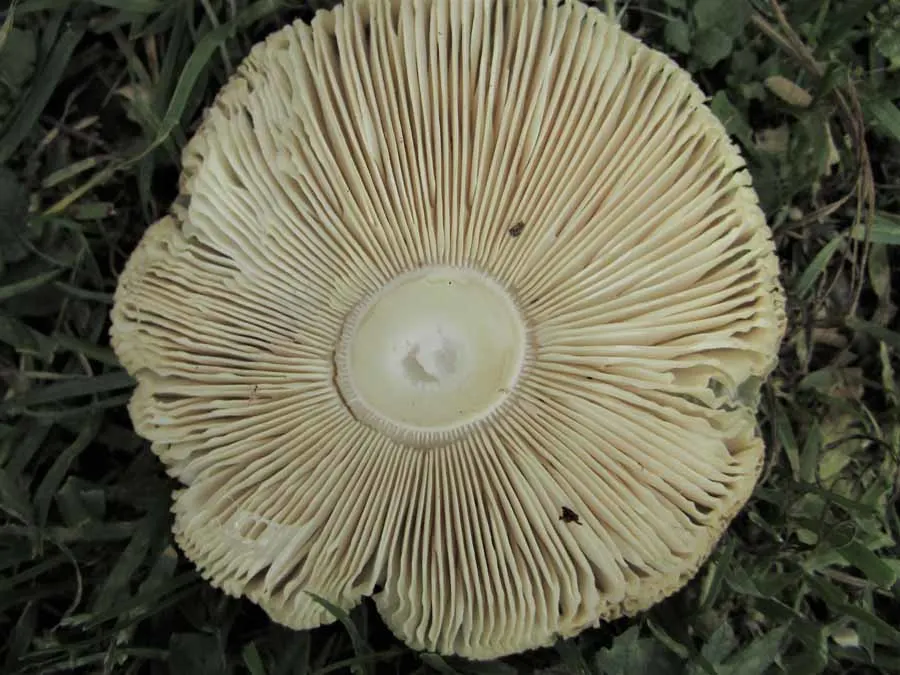
Gills
Crowded and free of the stem. White.
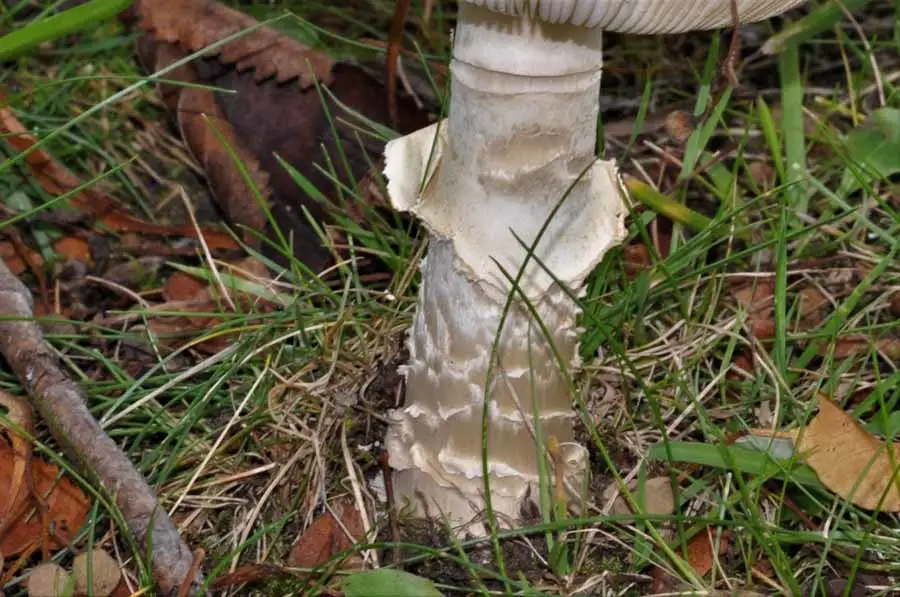
Stem
10-14 cm long, 1-2 cm diameter. White and shaggy under the skirt, smoother above.
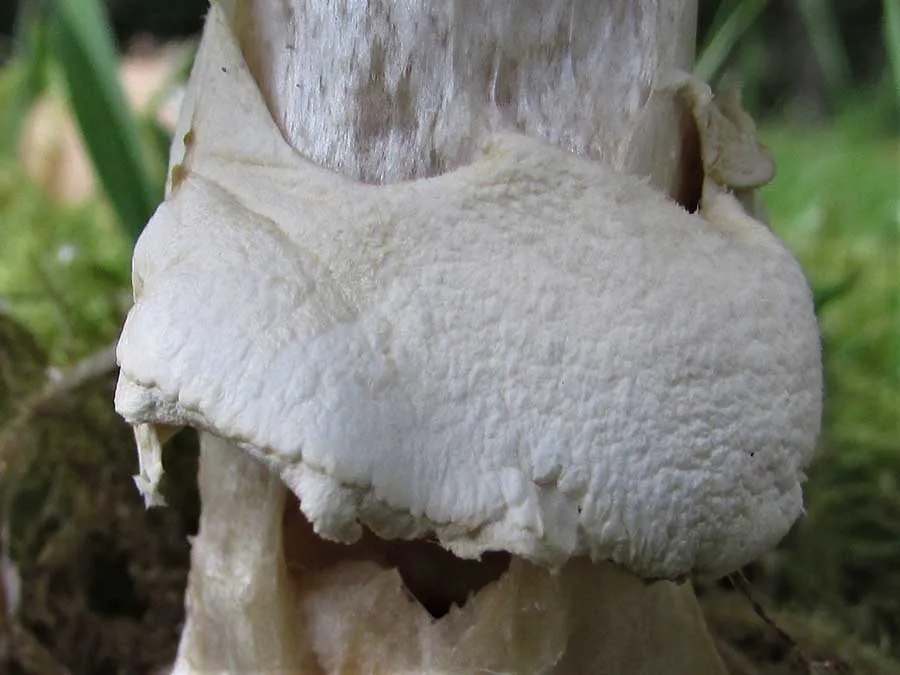
Skirt
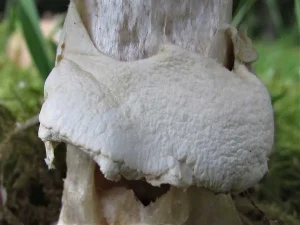
Superior. The skirt does not have the striations or lines that the Blusher or Excelsa have and is smooth although in the photo the skirt is a bit dry and wrinkled but still striation free.
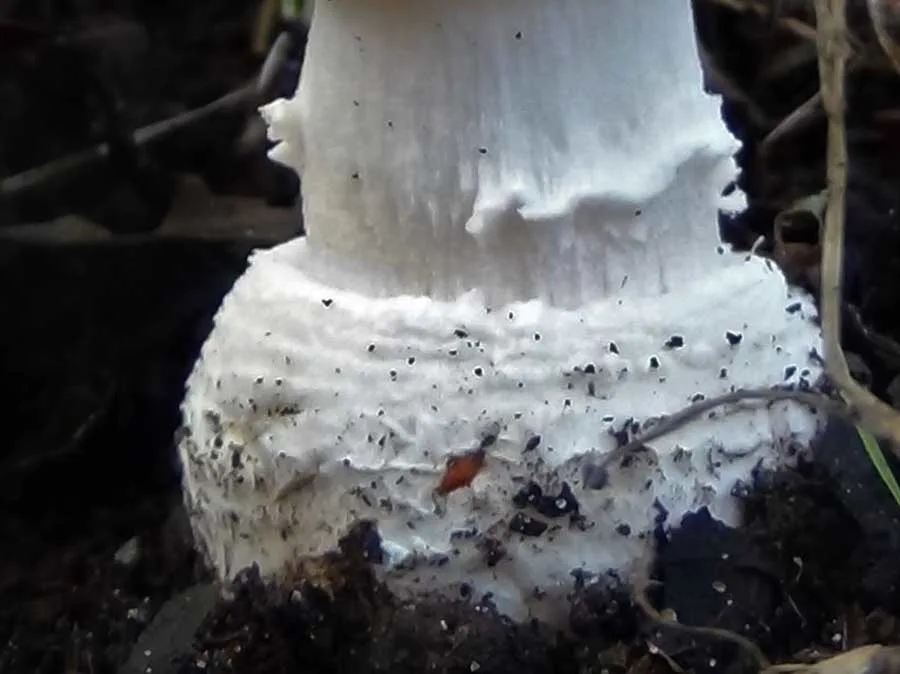
Volva
Has an obvious, bulbous, marginate (with a ‘gutter’ running around the top edge) volva.
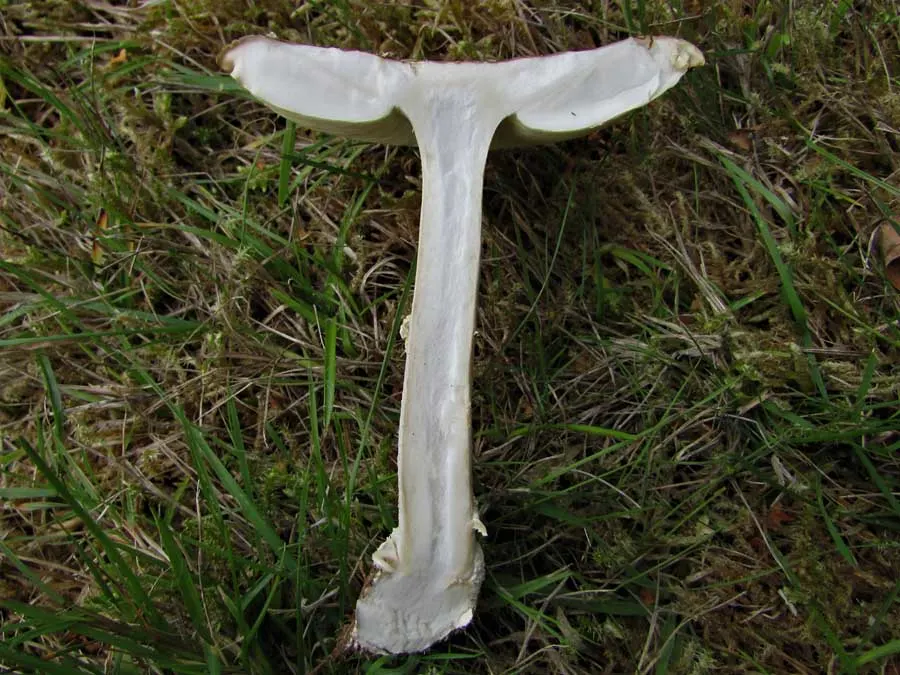
Flesh
White, sometimes hollow in the stem.

Habitat
Most types of woodland, particularly beech.

Possible Confusion
The Blusher (Amanita rubescens), pictured, has off-white, often blushing warts on its cap, and it blushes all over the fruit body where it had been damaged or cut, also there are striations on the upper surface of its skirt.
The Grey Spotted Amanita (Amanita excelsa) has off-white to grey warts or scales on its cap, and has striations on the upper surface of its skirt.

Spore Print
White. Broadly ovate. You should scrape your spores into a small pile to get an accurate spore colour.
Other Facts
A. pantherina contains the psychoactive compounds ibotenic acid and muscimol, two psychoactive constituents which can cause effects such as hallucinations, synaesthesia, euphoria, dysphoria and retrograde amnesia. The effects of muscimol and ibotenic acid most closely resemble that of a Z drug, like Ambien at high doses, and not a classical psychedelic, e.g. psilocybin.
A. pantherina is used as an entheogen much less often than its much more distinguishable relative A. muscaria, largely due to being less recognizable and far more potent. A. muscaria contains a higher concentration of ibotenic acid. While ibotenic acid is mostly broken down by the body into muscimol, what remains of the ibotenic acid is believed to cause the majority of dysphoric effects of consuming psychoactive Amanita species. Ibotenic acid is also a scientifically important neurotoxin used in lab research as a brain-lesioning agent in mice.
A. muscaria and A. pantherina are illegal to buy, sell, or possess. Possession of amounts larger than 0.5 g dried or 5 g fresh lead to a criminal charge.