Saffron Milkcap
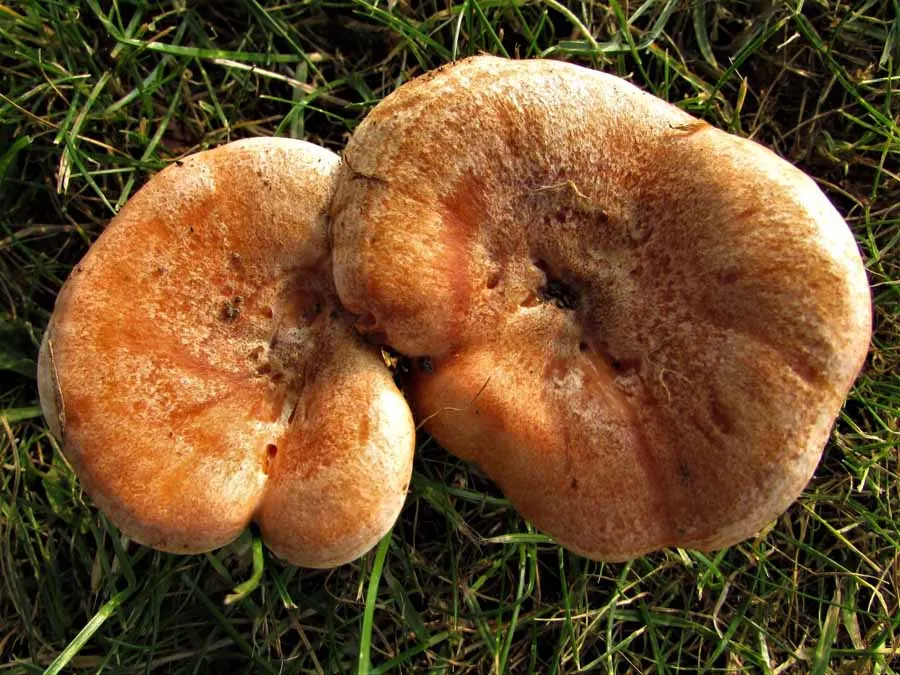


Saffron Milkcap, scientifically known as Lactarius deliciosus, is a highly prized edible mushroom native to Europe, particularly in pine forests. It is characterized by its orange to carrot-red caps with darker concentric rings and a smooth surface. When damaged, it releases orange milky latex, which oxidizes to green, making it easy to identify. This mushroom is considered a delicacy in Mediterranean and Eastern European cuisine, known for its dense, aromatic, and sweet flavor. It is often referred to as “the royal mushroom” due to its cultural significance and culinary value.
Scientific Name – Lactarius deliciosus
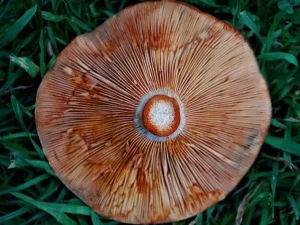

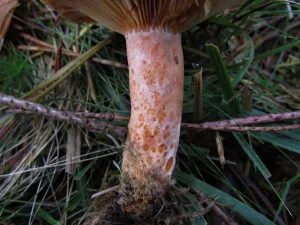
Common Names:
Saffron Milkcap (EN), Red Pine Mushroom, Cap Llaeth Saffrwm (CY), Mleczaj Rydz (PL), Ízletes Rizike (HU)
Please note that each and every mushroom you come across may vary in appearance to these photos.
Cap
Convex with a depression in the centre when young becoming shallowly funnel-shaped. Salmon pink/orange with darker concentric rings. Green areas especially on aging or bruising.

Gills
Gills pale pink/saffron becoming carrot coloured and eventually bruising green. Gills running slightly down the stem and quite crowded.

Milk
Can exude carrot coloured milk which will also turn green on drying.
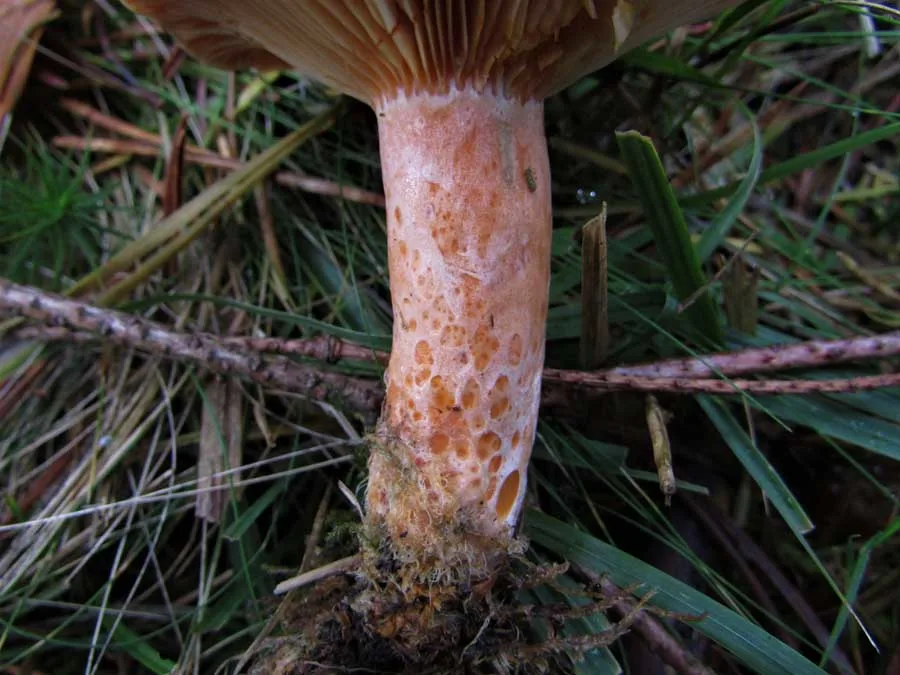
Stem
Orange to salmon pink with darker spots or shallow depressions or pits. Can have green markings.
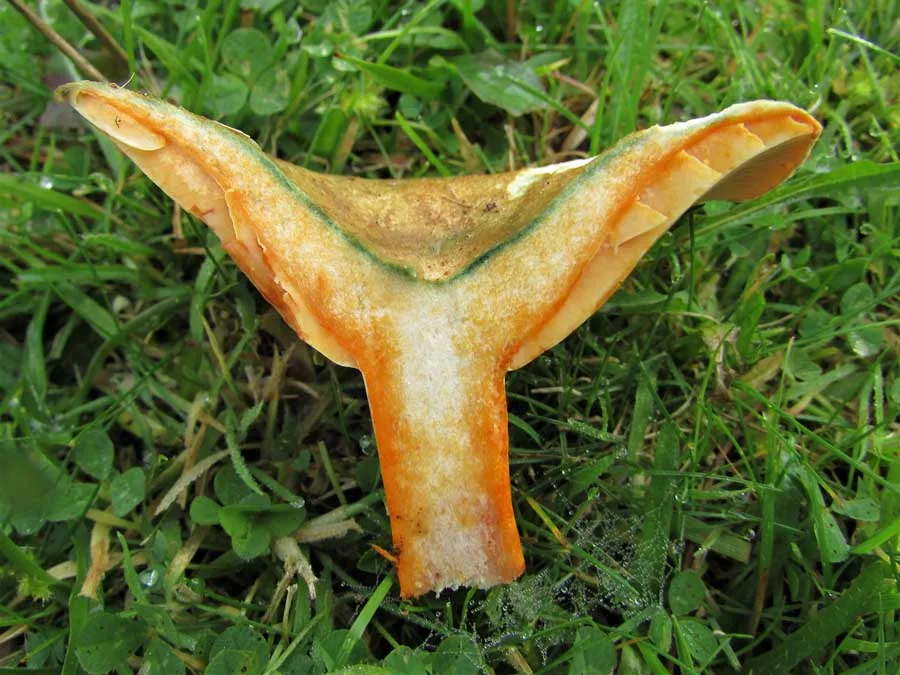
Flesh
Orange becoming white towards the centre of the stem. Exudes carrot coloured milk which will turn green after drying.
Habitat
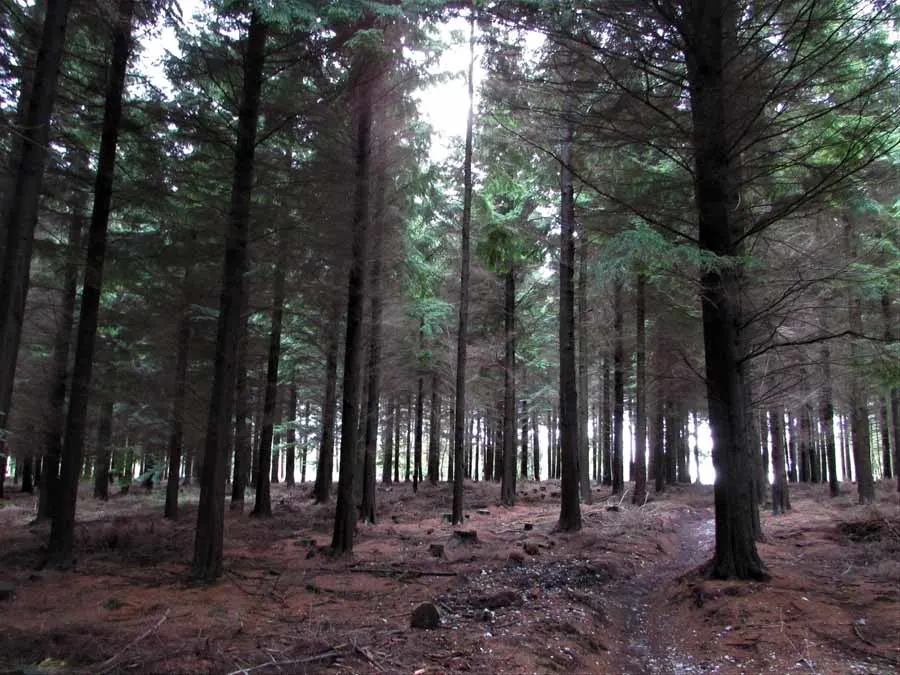
L. deliciosus grows under conifers on acidic soils and forms a mycorrhizal relationship with its host tree. It is native to the southern Pyrenees where it grows under Mediterranean pines, as well as throughout the Mediterranean basin in Portugal, Bulgaria, Spain, Greece, Italy, Cyprus, France and elsewhere. Both this fungus and L. deterrimus are collected and sold in the İzmir Province of southwestern Turkey, and the Antalya Province of the south coast. In the island of Cyprus, large numbers of L. deliciosus are found in the high altitude Pinus nigra and P. brutia forests of the Troodos mountain range, where locals hunt them with vigour, as this fungus is highly esteemed among the local delicacies.
Possible Confusion
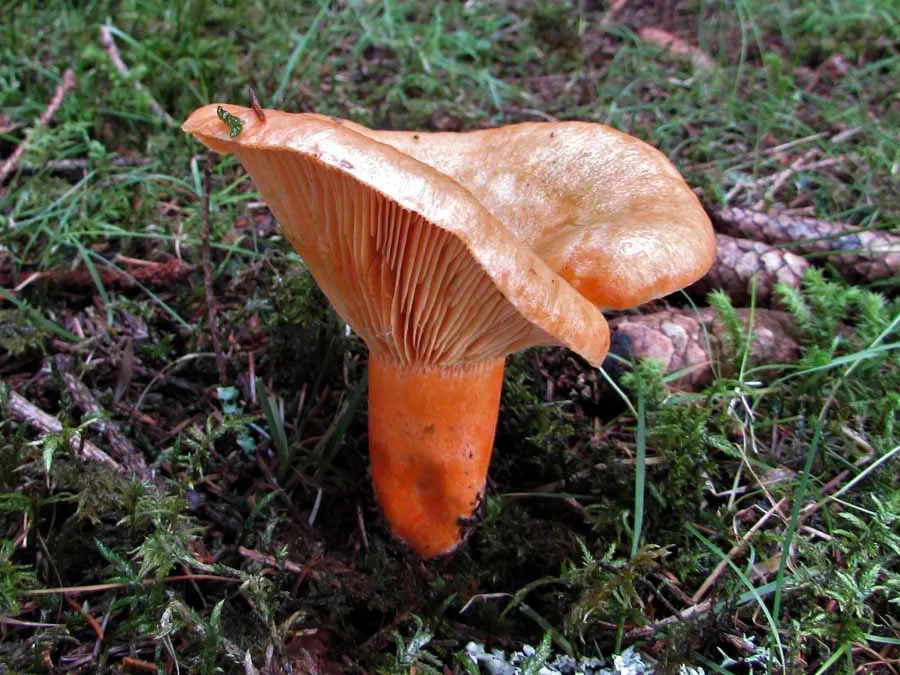
The False Saffron Milkcap (Lactarius deterrimus), pictured, which is edible but not quite as good as deliciosus.
The Lactarius semisanguifluus is similar but has more red than orange milk.
The Woolly Milkcap (Lactarius torminosus), but this has ‘woolly’ edges to the cap that extend in towards the stem and has off white milk not Carrot coloured.
Other Facts
L. deliciosus is an edible mushroom, but may taste mild or bitter; its misleading epithet, deliciosus (‘delicious’), may have been caused by Linnaeus mistaking it for another species. The mushrooms are collected from August to early October, in the Northern Hemisphere and April to June in the Southern Hemisphere. Traditionally being salted or pickled. High consumption of the species may cause urine to discolor to orange or red.
It is widely collected in the Iberian Peninsula. It is used in Spanish cuisine. One recipe recommends they should be lightly washed, fried whole cap down in olive oil with a small amount of garlic and served drenched in raw olive oil and parsley. Only a very small amount of butter is recommended in the pan.