Button mushroom
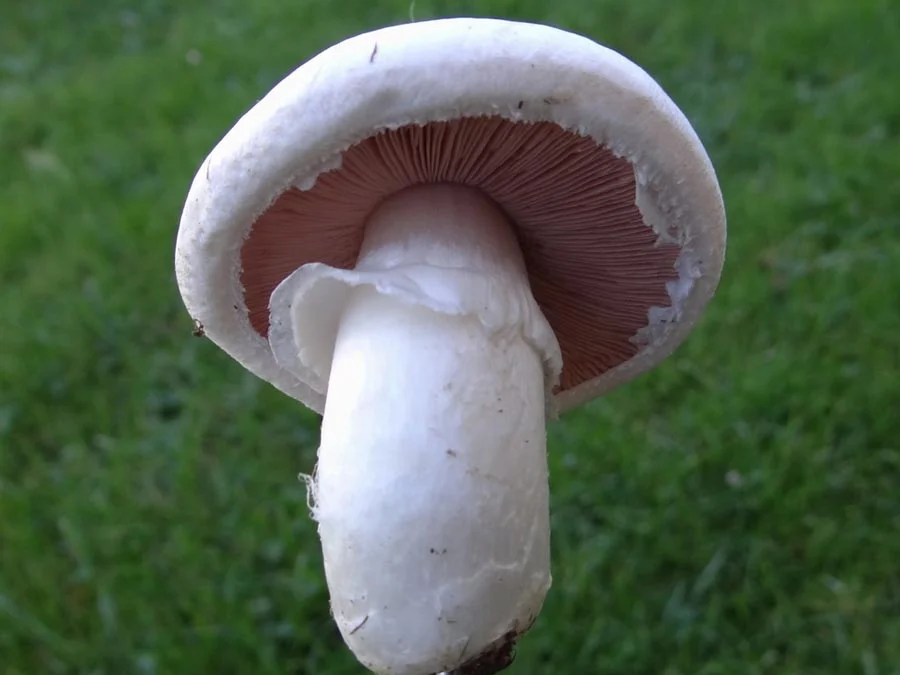


Button mushrooms are found globally in grasslands, pastures, and on rich compost or manure, often appearing after rain in spring. They feature a 5-10 cm pale grey-brown cap, pink-to-dark-brown gills, and a ring on the stem. While edible, they can resemble toxic lookalikes.
Scientific Name – Agaricus bisporus

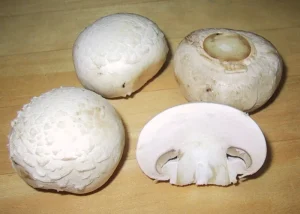

Common Names:
White Button Mushroom, White Mushroom, Button Mushroom (no matter the size), Common Mushroom, Champignon (French), Table Mushroom
Please note that each and every mushroom you come across may vary in appearance to these photos.

Appearance
With a white or cream colored, rounded cap hidden under a delicate veil and smooth, white stem, the white button mushroom resembles a miniature umbrella. Look for firm, plump ones with an earthy aroma for the best culinary experience.
Gills
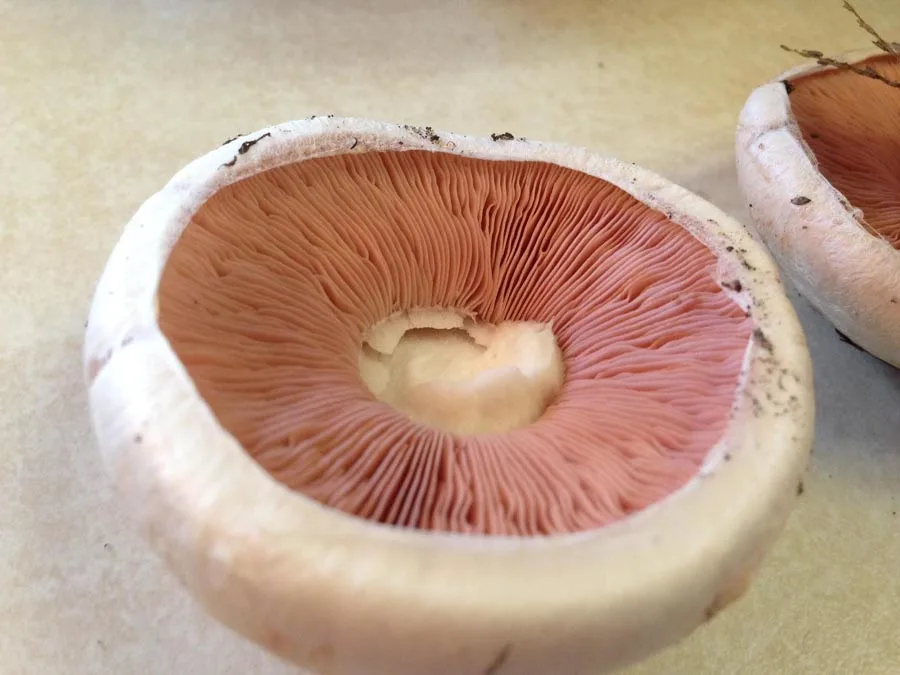
The gills are initially pink, turning to red-brown and finally dark brown.
Flesh
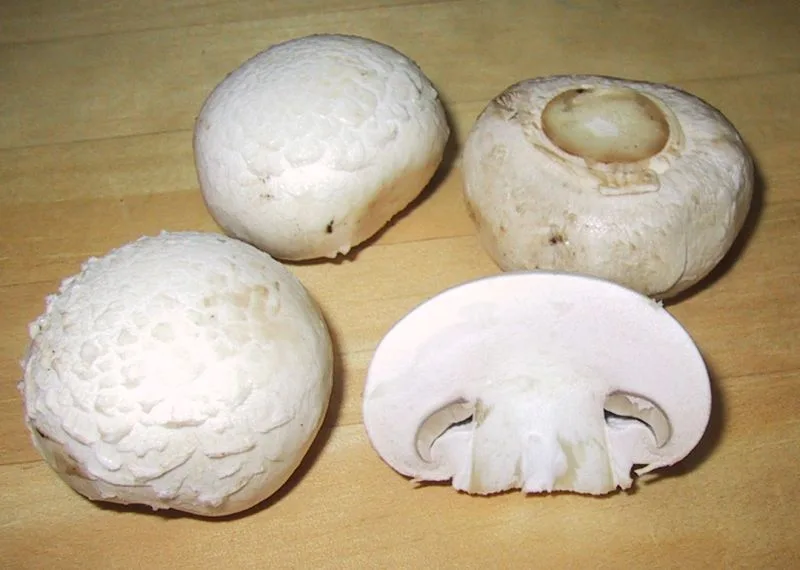
White button mushrooms are known for having a white, firm, and slightly sponge-like flesh. They are the youngest, most mild-flavored stage of the Agaricus bisporus species, characterized by a smooth, rounded, ivory-colored cap and short, thick, white stems.

Habitat
White button mushrooms thrive naturally in the grasslands of North America and Europe. These fungi prefer a rich, moist, and nutrient-dense environment, typically growing in soils enriched with organic matter like decaying leaves. Their natural habitat is characterized by cool temperatures and shaded conditions, which are essential for their development from spores to mature mushrooms.
Seasonality
Cultivation mimics the perfect growing conditions, allowing for year-round production in controlled environments, however; in nature, they like to primarily grow in the spring and fall seasons.
Nutritional information
White Button Mushrooms are packed with essential nutrients, they provide a valuable source of vitamins D and B, protein, and dietary fiber, all while being low in calories and fat. Their rich content of antioxidants and minerals, including selenium, potassium, and copper, supports overall health by boosting the immune system, reducing inflammation, and potentially lowering the risk of chronic diseases.
FAQs:
What are white button mushrooms, and how do they differ from other varieties?
White button mushrooms, scientifically known as Agaricus bisporus, are one of the most consumed mushroom varieties worldwide. They have a mild flavor and a firm texture, making them versatile for various culinary applications. White button mushrooms are typically smaller and have a round shape, distinguishing them from other mushroom varieties like portobello and cremini.
How do you select and store white button mushrooms for maximum freshness?
When selecting white button mushrooms, look for firm specimens with a smooth, dry surface. Avoid mushrooms that appear bruised, slimy, or have dark spots. To store them, place the mushrooms in a paper bag or a perforated container to allow airflow. Store them in the refrigerator and use them within a few days for optimal freshness.
What are the nutritional benefits of white button mushrooms?
White button mushrooms are low in calories and fat while being rich in essential nutrients like protein, fiber, vitamins (such as B vitamins), and minerals (such as potassium and selenium). They are also a good source of antioxidants and may offer various health benefits, including boosting immunity and supporting heart health.
Can white button mushrooms be eaten raw, or do they need to be cooked?
Well, the answer is yes and no. In moderation, consuming raw button mushrooms is not likely to cause any issues. Check out this cool video. So, enjoy eating them raw in salads or as a snack providing a crunchy texture and mild flavor. Cooking white button mushrooms enhances their earthy flavor and tenderizes their texture, making them suitable for sautéing, grilling, roasting, and incorporating into various dishes.
What are some popular recipes featuring white button mushrooms?
Popular recipes featuring white button mushrooms include creamy mushroom soup, mushroom risotto, stuffed mushrooms, mushroom stir-fry, mushroom pasta dishes, and mushroom omelets. Their versatility allows them to be used in countless recipes, adding depth and flavor to savory dishes.
How do you clean white button mushrooms before cooking?
To clean white button mushrooms, gently wipe them with a damp paper towel or rinse them briefly under cold running water. Avoid soaking mushrooms, as they can absorb excess water and become soggy. Trim any tough stems or blemishes before using them in recipes.
Are white button mushrooms suitable for vegetarian and vegan diets?
Yes, white button mushrooms are suitable for vegetarian and vegan diets as they are plant-based and contain no animal products. They are often used as a meat substitute in vegetarian dishes due to their meaty texture and umami flavor.
Can white button mushrooms be substituted for other mushroom varieties in recipes?
Yes, white button mushrooms can be substituted for other mushroom varieties like cremini or portobello mushrooms in most recipes. While there may be slight differences in flavor and texture, white button mushrooms offer a similar culinary experience and can be used interchangeably in many dishes.
Are mushrooms a fruit or vegetable?
Mushrooms are neither a fruit nor a vegetable; scientifically, they belong to the fungi kingdom. Unlike plants, mushrooms do not use photosynthesis to produce energy. Instead, they absorb nutrients from their surrounding environment, such as soil or decaying organic matter. This fundamental difference sets them apart from fruits and vegetables, which are part of the plant kingdom. Fruits are the mature ovaries of plants, including the seeds, while vegetables can be the leaves, stems, roots, or other parts of a plant. Mushrooms contain a substance called ergosterol, like cholesterol in animals. Ergosterol can be transformed into vitamin D with exposure to ultraviolet light. Mushrooms, therefore, occupy a unique position in the natural world, distinct from the categories of fruits and vegetables.