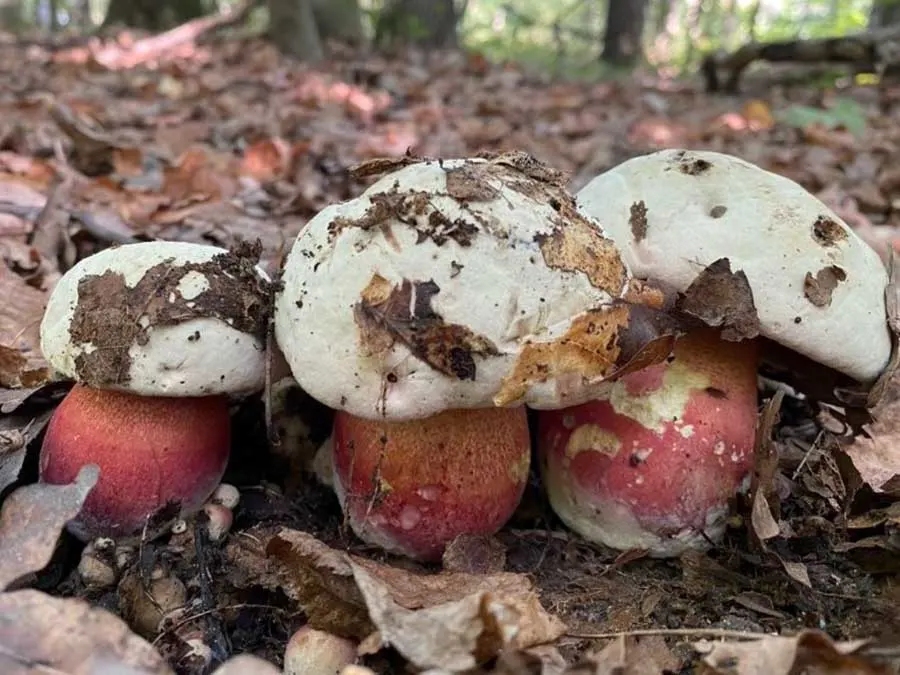
Devil’s Bolete
Devil’s Bolete Rubroboletus satanas, commonly known as Satan’s bolete or the Devil’s bolete, is a basidiomycete fungus of the bolete
Summer mushrooms thrive in warm, humid conditions (June–September), with popular, beginner-friendly edible species including Chanterelles, Black Trumpets, Chicken of the Woods, and Old Man of the Woods. These wild fungi are often found in deciduous forests, near trails, or growing on rotting wood, providing a gourmet, earthy addition to summer cooking.
Devil’s Bolete Rubroboletus satanas, commonly known as Satan’s bolete or the Devil’s bolete, is a basidiomycete fungus of the bolete
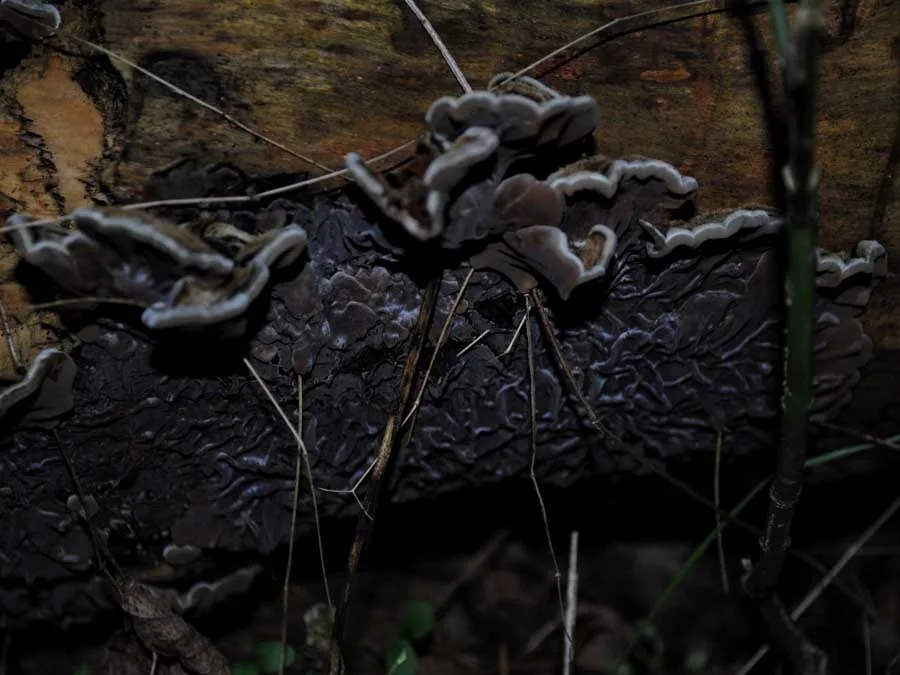
Tripe Fungus An inedible relative of our Jelly Ear. From the top, it might remind you of Turkeytail, but once

Smoky Bracket A very common, small, annual polypore mushroom with grey pore surface. Scientific Name – Bjerkandera adusta Common Names:
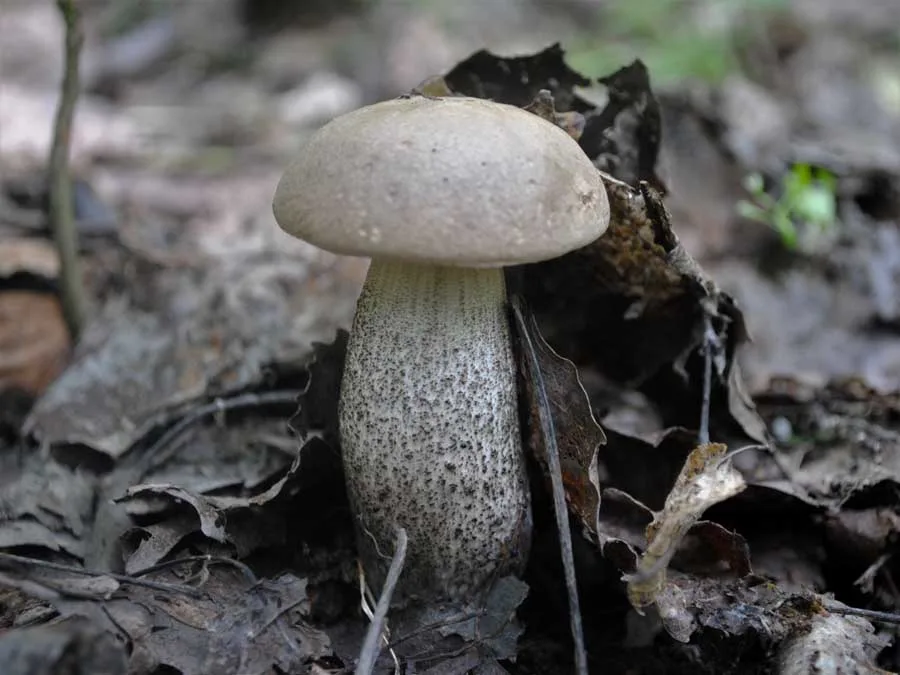
Slate Bolete The Slate Bolete (Leccinum duriusculum) is a choice, edible, mycorrhizal mushroom often found in association with poplars, aspen,
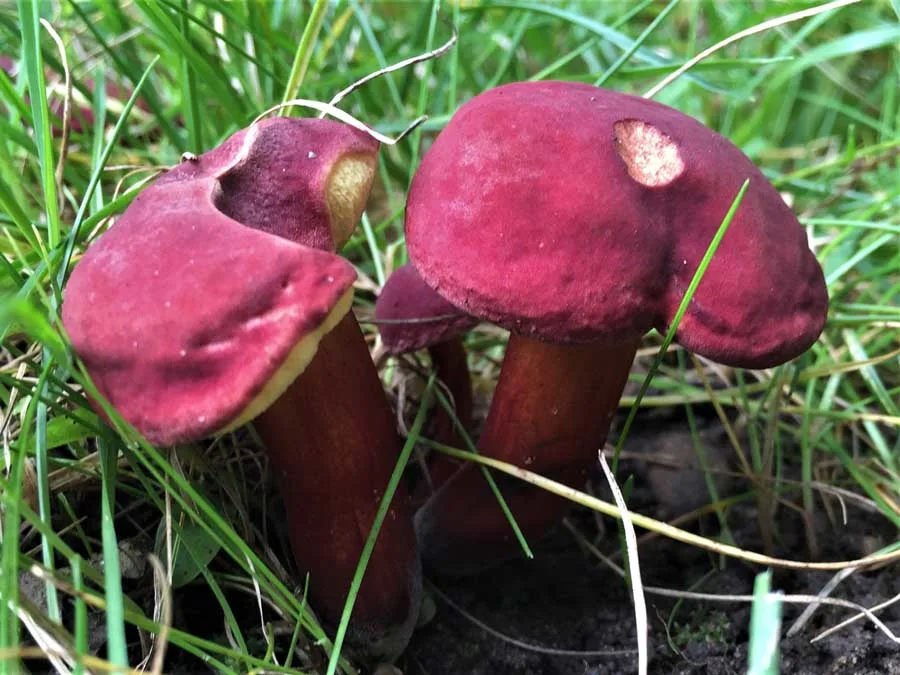
Ruby Bolete Hortiboletus rubellus, commonly known as the ruby bolete, is a small, dainty, brightly coloured member of the family
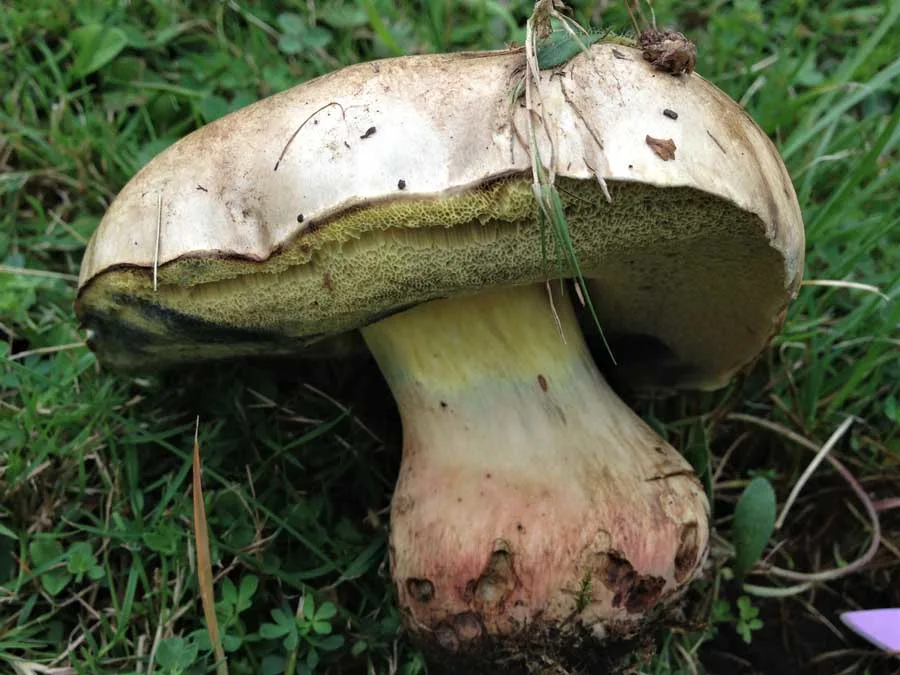
Rooting Bolete Caloboletus radicans, also known as the rooting bolete or whitish bolete, is a large ectomycorrhizal fungus found in
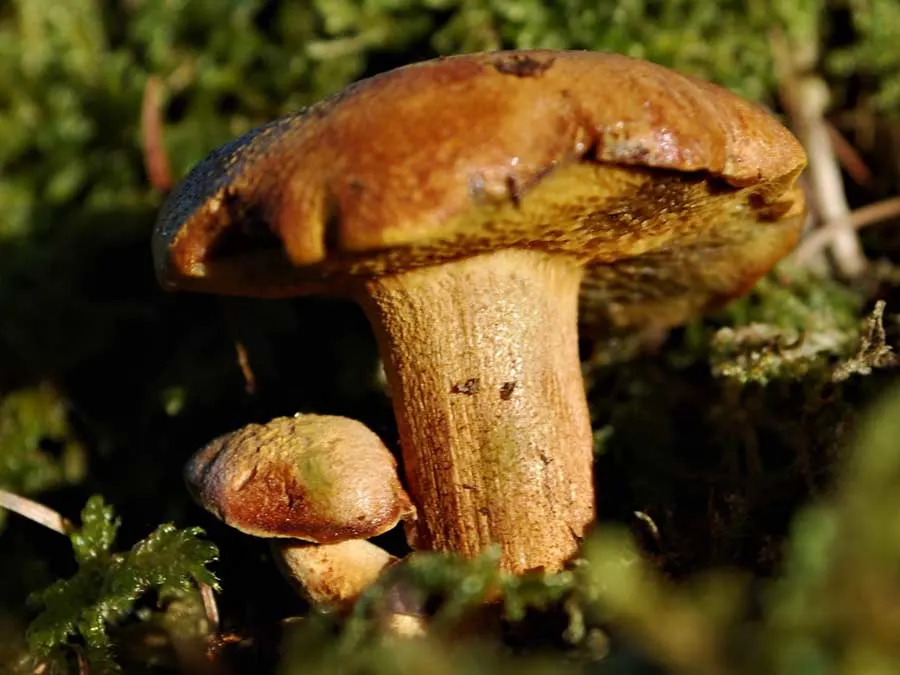
Peppery Bolete This mushroom can be dried and ground and used as a pepper like condiment or eaten cooked by
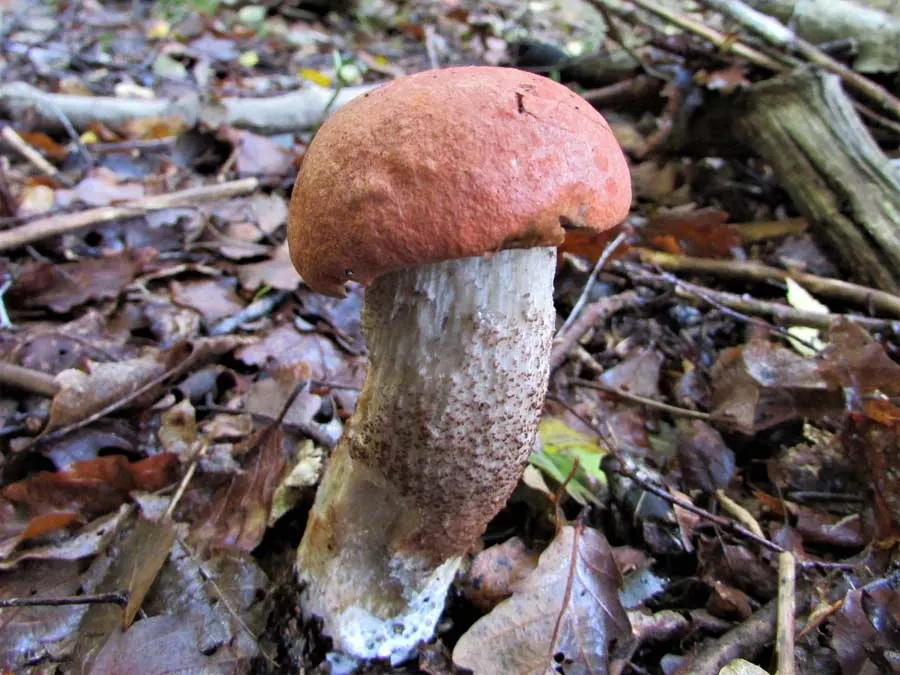
Orange Bolete Although known to be associated with Oak, this mushroom can also be found under Poplar, Aspen, Beech or
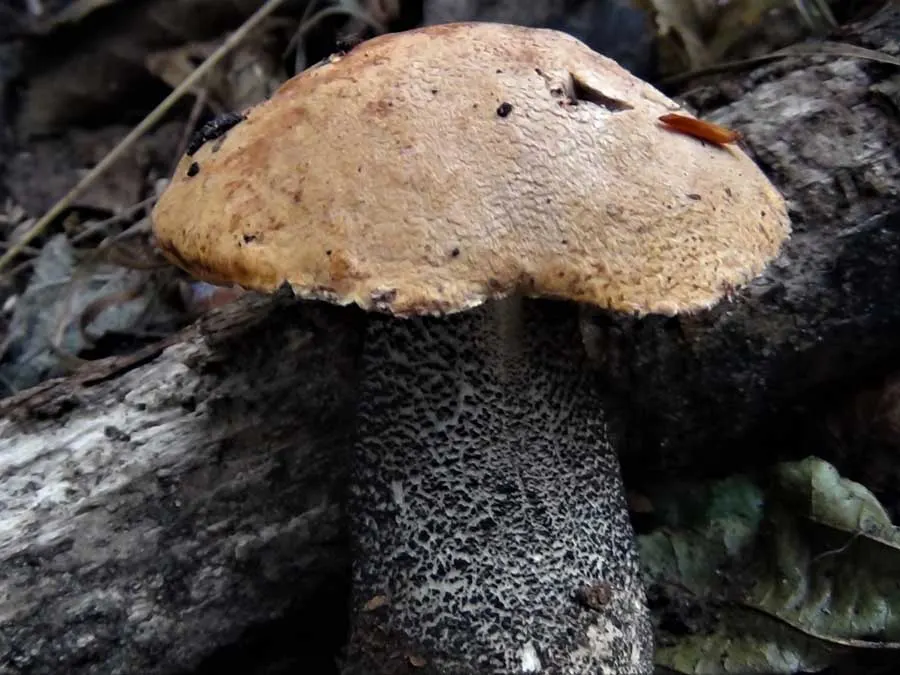
Orange Birch Bolete Leccinum versipelle, also known as Boletus testaceoscaber, dark-stalked bolete, or orange birch bolete, is a common species
Orange Birch Bolete Read More »