Summer Bolete
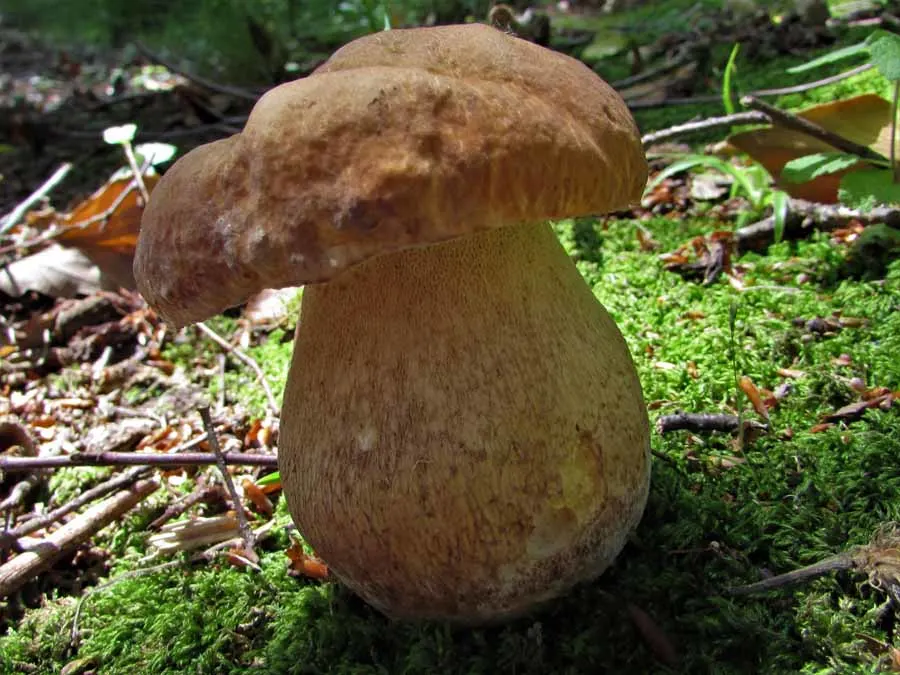


A great mushroom to find in Summer, very similar to the Penny Bun and in the same gastronomic league with some opinions divided about which one is best.
Scientific Name – Boletus reticulatus

Common Names:
Summer Bolete (EN), Summer Cep, Cap Tyllog yr Haf (CY), Borowik Usiatkowany (PL), Nyári Vargánya (HU)
Please note that each and every mushroom you come across may vary in appearance to these photos.
Cap
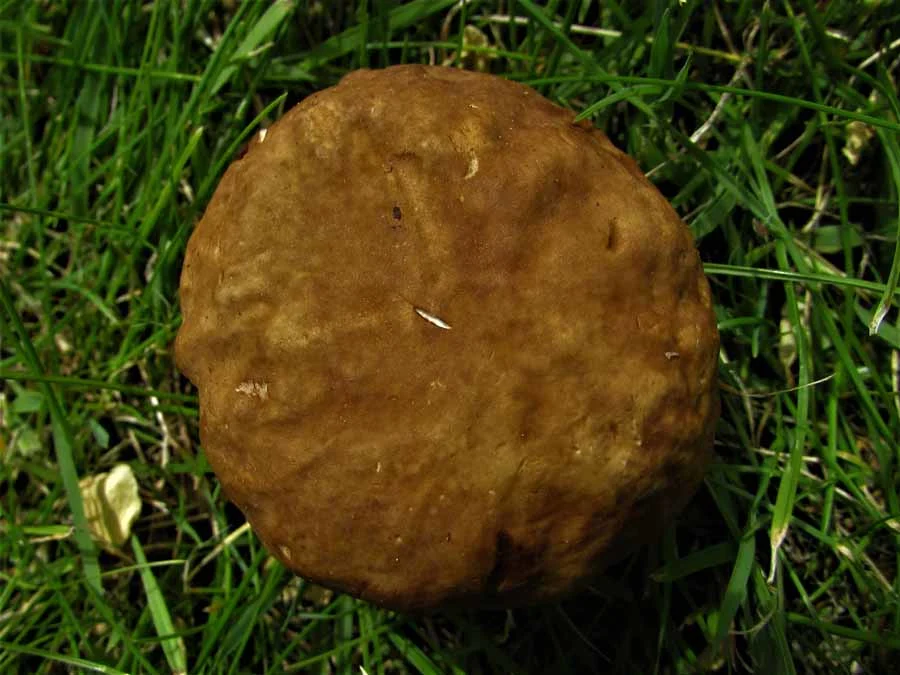
7-12 cm. Starting slightly velvety becoming finely cracked. Pale brown to brown yellow.
Pores
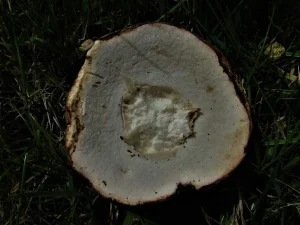
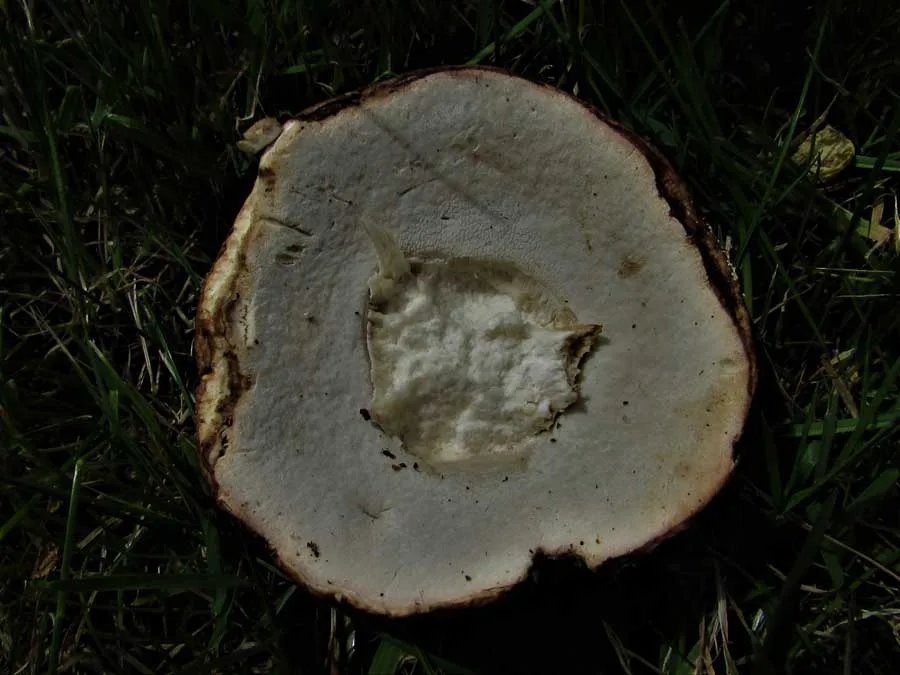
Has very small white pores which can yellow a bit with age.
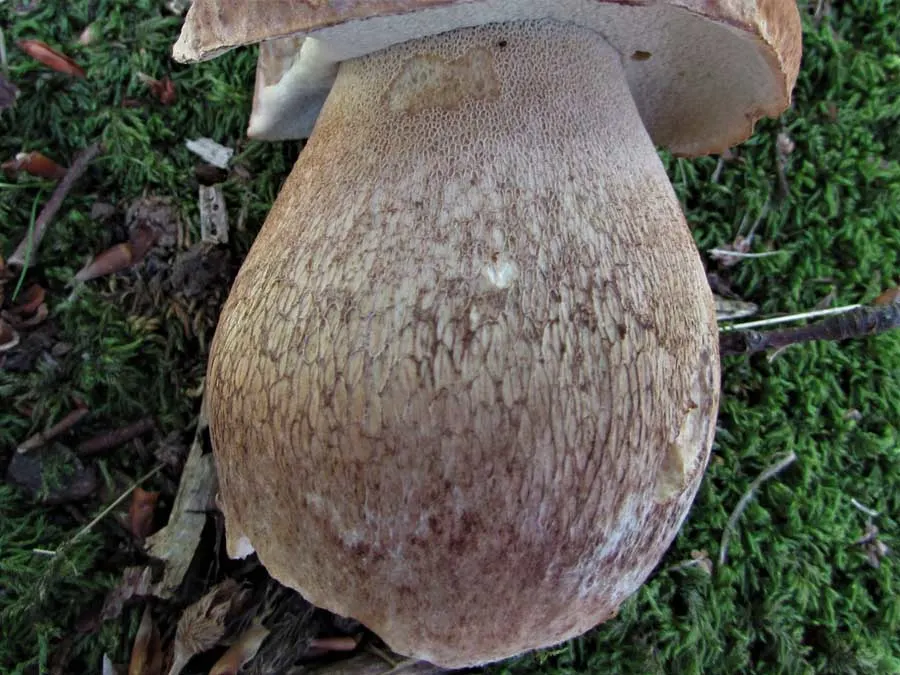
Stem
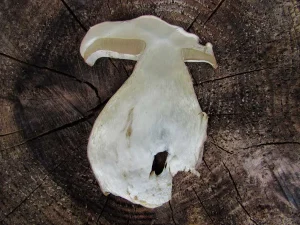
10-14 cm long, 2-5 cm diameter. Can have a barrel shaped or parallel off white stem overlaid with a mesh that is lighter towards the cap.

Flesh
White slightly yellowing with age.
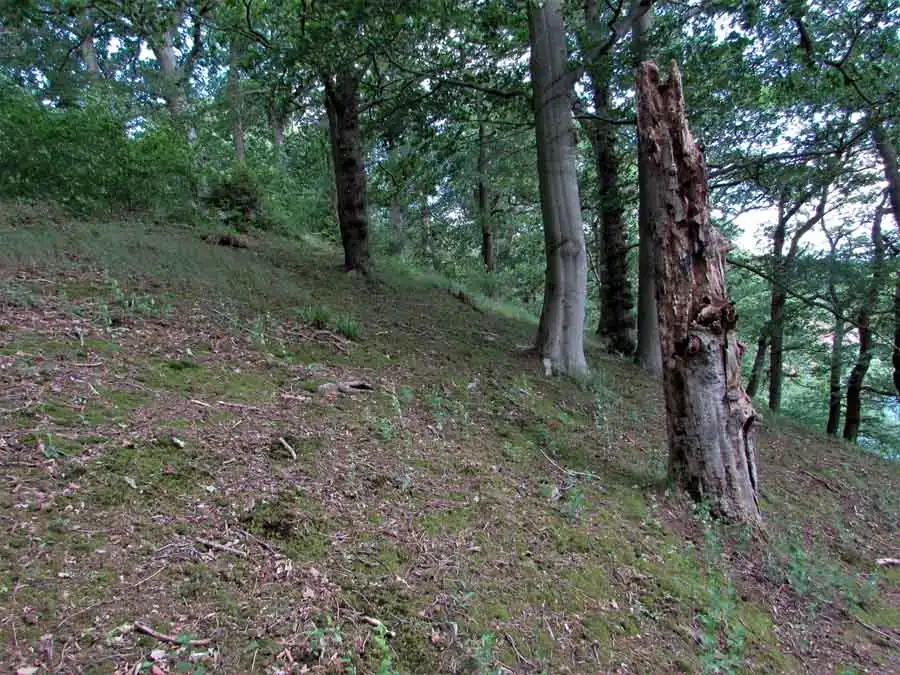
Habitat
Mainly with Beech and Oak but can grow with other broad leaved trees.

Possible Confusion
No poisonous mushrooms look similar, all the poisonous Boletes such as the Devil’s Bolete (Rubroboletus satanas) are either very red in the flesh or sponge, or stain blue immediately on cutting.
You could potentially confuse this mushroom with the Bitter Bolete (Tylopilus felleus), which although not poisonous will ruin any meal you are unfortunate enough to add this mushroom to. A little nibble of the mushroom when raw will soon identify it with the Summer Bolete being delicious and the Bitter Bolete being as bitter as sin! A better way to distinguish the two is that the Summer Bolete has a lighter net like mesh on a slightly darker stem, the Bitter Bolete has a darker mesh on a lighter stem, pictured.
Could be confused with a Penny Bun (Boletus edulis) but the Penny Bun usually has a whiter stem, a white border around the edge of the cap, firmer flesh and comes out in late Summer and Autumn.
Edibility
The summer cep, like most ceps, is edible and useful in cooking. However, its flesh is somewhat less firm than other ceps. Based on analysis of fruit bodies collected in Portugal, there are 334 kilocalories per 100 gram of bolete (as dry weight). The macronutrient composition of 100 grams of dried bolete includes 22.6 grams of protein, 55.1 grams of carbohydrates, and 2.6 grams of fat. By weight, fresh fruit bodies are about 91% water. B. reticulatus contains predominantly unsaturated fatty acids; mainly cis-linoleic acid, followed by cis-oleic, palmitic, and stearic acids. The carbohydrate component contains the monosaccharides glucose, mannitol and α,α-trehalose, the polysaccharide glycogen, and the water-insoluble structural polysaccharide chitin, which accounts for up to 80–90% of dry matter in mushroom cell walls. Chitin, hemicellulose, and pectin-like carbohydrates—all indigestible by humans—contribute to high proportion of insoluble fibre in B. reticulatus. It also contains more tocopherol than other species of mushroom.